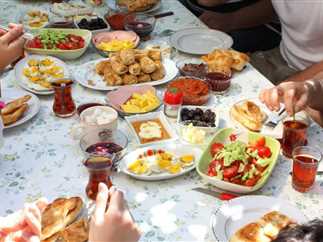
Mervat al-Sayed, Director of the African Center for Women’s Health and Consultant in Emergency and Trauma Medicine, has issued a warning regarding popular Egyptian Ramadan staples.
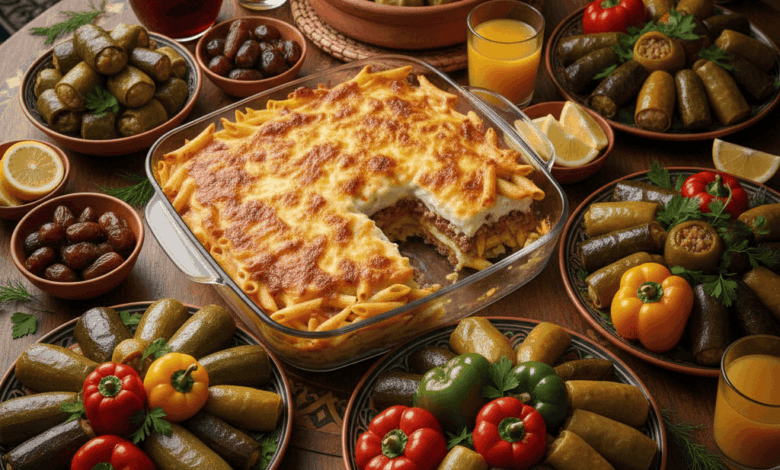
Dishes such as Egyptian Baked Pasta with Béchamel Sauce and various types of Mahshi (stuffed vegetables) are festive favorites, yet they are often overloaded with refined carbohydrates, sugars, and saturated fats.
Al-Sayed noted that after a long fast, the digestive system becomes highly sensitive. Overindulging immediately upon breaking the fast puts “immense pressure” on the stomach, liver, pancreas, and heart, potentially throwing the body into a state of “nutritional shock.”
Debunking the “home-cooked” myth
The doctor addressed a common misconception: the idea that because food is home-cooked, it is inherently healthy regardless of portion size. “The reality is that overeating after 12 hours of fasting causes blood sugar levels to spike rapidly, exhausting the pancreas and leading to severe bloating and post-meal lethargy,” she explained.
ER trends and clinical symptoms
Emergency departments frequently report a surge in cases during Ramadan directly linked to these heavy dishes.
Common complications include:
-
Acute abdominal pain and vomiting: Resulting from consuming large quantities too quickly.
-
Sudden spikes in blood pressure/sugar: Particularly dangerous for diabetic and hypertensive patients.
-
Severe acid reflux (heartburn): Triggered by concentrated fats and starches.
-
Dizziness and muscle cramps: Often requiring urgent medical intervention.
The science of “post-Iftar slump”
The lethargy felt after Iftar is caused by a rapid rise and subsequent crash in blood sugar. High fat intake slows digestion, causing a feeling of heaviness. Furthermore, overeating triggers an excessive release of insulin—the hormone responsible for fat storage—leading to rapid weight gain and long-term obesity.
Tips for a healthier Iftar:
-
Portion control: Divide heavy dishes into two smaller servings during the Iftar window.
-
The 50 percent rule: Ensure half your plate consists of vegetables to slow the absorption of fats and starches.
-
Lighten the recipe: Reduce the amount of added oils and fats in Egyptian Baked Pasta with Béchamel Sauce and Mahshi.
-
Gradual hydration: Sip water steadily after Iftar to prevent dehydration and digestive distress.