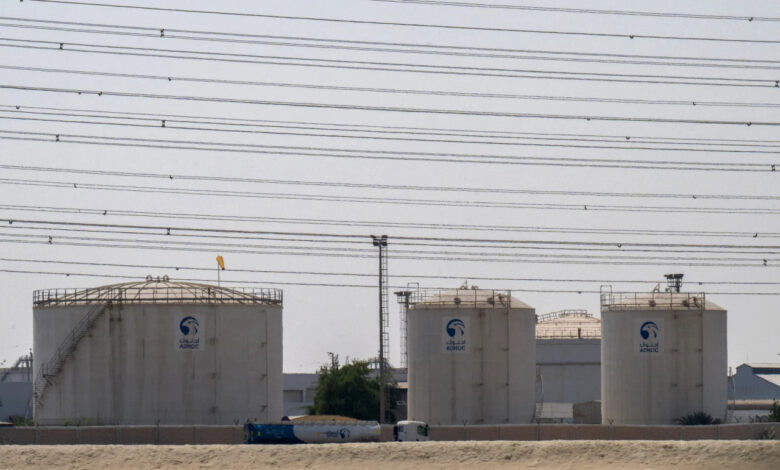
The United Arab Emirates ditching the Organization of the Petroleum Exporting Countries is a significant blow to the Middle East’s ability to keep oil prices artificially high. But it also could be disruptive to US oil producers and could complicate the region’s ability to respond to future emergencies.
The United States is energy independent … kinda. It produces more than it consumes, but it still imports about a third of its oil from overseas. That’s because the light, sweet crude that America drills is great for making gasoline but lousy for making heavier fuels and other petroleum-based products. So the United States still relies on the Middle East for some of its crude.
Diminishing OPEC’s power could be a good thing for consumers in the long run. The UAE is the second-largest producer in the region, so it will serve as a major new competitor on the market that can produce oil free of restrictions set by OPEC member nations.
For US producers, the long-term implications are less certain. Downward pressure on oil prices, which trade on a global market, could dent Big Oil’s profits. The world had been oversupplied with oil before the Iran war, even with OPEC’s production restrictions, so it’s not clear that longer term demand will support more production from the UAE. US producers down the road could have to lower their output if demand returns to their previous low levels.
It also shows that the Iran war is making permanent changes to the way the world does business, opening up new supply chains. Those changes may not stop with the UAE. So the market shifts that are going to affect you are only beginning to take shape.