Amid high inflation and widespread damage to infrastructure, the Iranian government has warned that heavily subsidized petrol prices may have to be raised.
The issue is a sensitive one among Iranians. When the government raised fuel prices by 50% in 2019, nationwide protests quickly escalated into broader anti-government unrest and were met with a sweeping security crackdown and an internet blackout.
A change in petrol prices or fuel rationing is certain, government spokeswoman Fatemeh Mohajerani said Saturday, according to Iranian state television.
“We certainly need strategies for managing gasoline consumption because, as we know, the government is naturally subsidizing the price at which gasoline is sold to the public,” she said.
“It is obvious that a solution must be adopted to balance gasoline consumption … As for whether it will involve changes to the quota or to the price, the public will certainly be informed carefully, transparently, clearly, and honestly,” Mohajerani added.
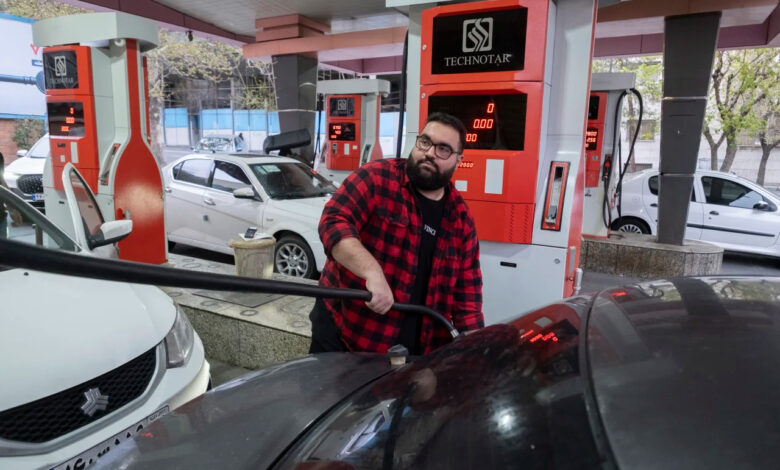
Petrol is sold in Iran using three different tiers. Last December, the government introduced a higher rate for drivers consuming more than 160 litres (42 gallons) of petrol per month.
The head of Iran’s state fuel distribution company also warned of shortages in an interview on Sunday.
If high fuel consumption continues and production and import constraints persist due to damage to facilities, “it may become necessary to adopt measures aimed at maintaining the stability of fuel supply and the country’s energy security,” said Mohammad Sadegh Azimifar, CEO of the National Iranian Oil Refining and Distribution company.
Speaking to the news outlet Khabaronline, Azimifar acknowledged the sensitivity of the issue.
“The government will not catch people by surprise over petrol. If any decision is to be made, it will first be announced publicly, public opinion will be taken into account, and only then will implementation take place.”