Iran’s new national security chief is a military veteran and prominent regime figure who has voiced skepticism of negotiations with the United States.
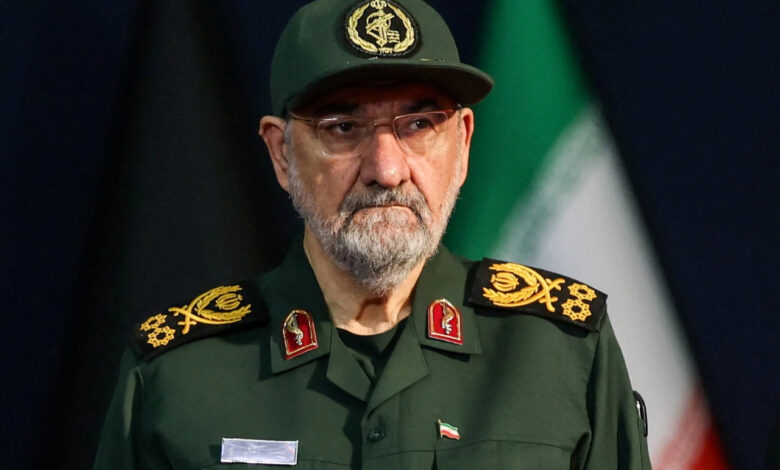
Mohsen Rezaei, 71, has been named secretary of the Supreme National Security Council, replacing Mohammad Bagher Zolghadr, who had only been appointed in March.
Rezaei was already part of Supreme Leader Ayatollah Mojtaba Khamenei’s small circle of trusted aides, serving as his military advisor, but the appointment elevates him into one of the regime’s most influential roles.
Who is he? Rezaei appointed commander-in-chief of the Islamic Revolutionary Guards Corp (IRGC) during the Iran-Iraq war in the 1980s, and has spent more than five decades at the heart of Iran’s political, security and military establishment. Nasr said Rezaei “has far more authority” with the IRGC than his predecessor Zolghadr.
Revolutionary figure: After carving out a path fighting with Islamist guerrilla groups during the 1979 Islamic Revolution, Rezaei helped draft the IRGC’s founding charter. He was the force’s longest serving commander, and helped shape it into one of the country’s most powerful institutions. In his book “Iran’s Grand Strategy,” Nasr said Rezaei had “argued for perpetual conflict in the region and with the United States” after the Iran-Iraq war ended.
Hardline pragmatist: Deeply rooted in Iran’s security establishment, Rezaei later joined the Expediency Council, which advises the supreme leader, and served as a vice president under former President Ebrahim Raisi. Rezaei also ran for president four times but never won.
Trump “defeated”: Rezaei recently described Trump as suffering from “a lack of wisdom and prudence.” In an interview with the state broadcaster IRIB, he said Iran’s counter attacks during the most recent flare up in fighting had forced the relocation of American forces in the region.
On Strait of Hormuz: If the US blockade of Iranian ports continues, “American vessels and forces will face serious risks and casualties,” Rezaei said in a post on X last week. Rezaei says that Iran and Oman have sovereignty of the key waterway.
On negotiations: Rezaei declared negotiations with the US “over” last month, and also described talks as “merely a bridge to cross, not a lasting commitment.” Speaking to CNN’s Fred Pleitgen in June, Rezaei said that should talks fail, Iran is prepared for a potential US invasion of its territory, “then the world will understand Iran’s true capabilities.”