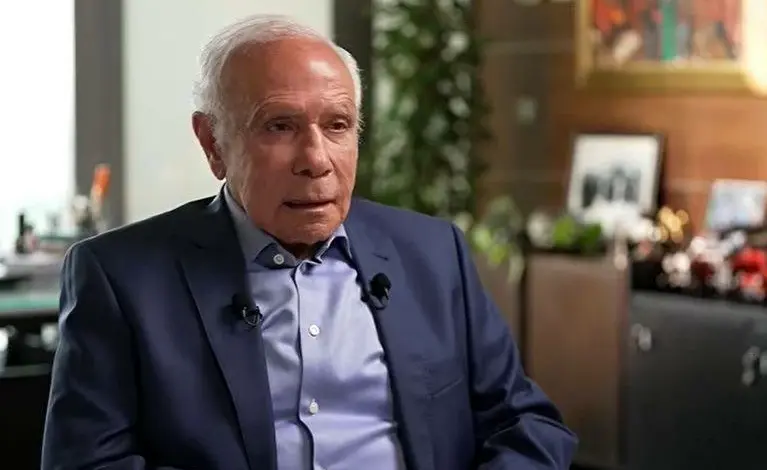
Prominent Egyptian business tycoon and founder of Al-Masry Al-Youm, Salah Diab, has urged a sweeping transition from traditional flood irrigation to modern drip systems to combat Egypt’s escalating water crisis, citing tenfold consumption cuts in agricultural trials.
Speaking during an interview on Al Arabiya’s “First Class” show hosted by Fatima Al-Daawi, Diab argued that traditional flood irrigation consumes up to 10 times more water than modern techniques while yielding far lower efficiency.
“In one of our farms located at the tail end of an irrigation canal, we faced severe water shortages when attempting to cultivate 16 feddans of bananas,” Diab explained.
“After adopting drip irrigation, we expanded cultivation on that same farm to 260 feddans while simultaneously reducing fertilizer usage and pump fuel consumption by 90 percent.”
Diab proposed phasing in modern irrigation systems across two governorates each year.
He estimated that a nationwide rollout could free up enough water to expand Egypt’s cultivated land area from 10 million feddans to 100 million feddans.
The agricultural sector and national water strategy
In an effort to mitigate Egypt’s chronic water deficit and maximize agricultural output, prominent figures and state ministries are prioritizing a shift away from traditional flood irrigation:
- Modernization drive: Transitioning to high-efficiency drip systems cuts farm water consumption by up to 90% while significantly boosting crop yields and lowering fertilizer/fuel costs.
- Structural interventions: The initiative relies on national canal-lining projects (Hayah Karima) to prevent seepage at canal tail-ends, alongside strict enforcement on water-intensive crops (rice, sugarcane, and bananas) to safeguard Egypt’s fixed 55.5 billion cubic meter Nile quota.
Urban forestry controversy and local backlash
In parallel, urban infrastructure expansion has sparked heavy public and media criticism.
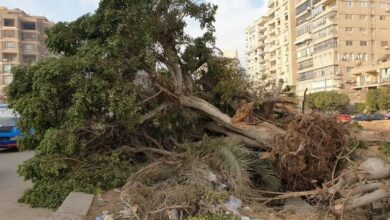
Widespread street-widening projects—notably along Gamaat al-Dowal al-Arabiya Street and corridors in Zamalek, Dokki and Heliopolis—led to the removal of decades-old trees.
Critics noted that this intensified urban heat-island effects and degraded per-capita green space.
State directives and presidential response
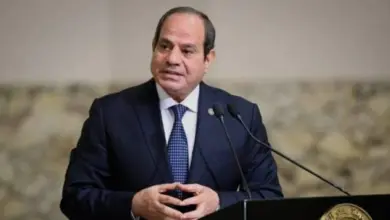
Following public outrage, President Abdel Fattah al-Sisi and the Cabinet issued direct policy corrections:
- Greening Greater Cairo: Authorities must convert vacated urban parcels into public parks.
- Compensatory planting: Unavoidable tree removals require planting double the amount using drought-tolerant species watered with treated wastewater.
- Policy alignment: Integrates urban afforestation into national water management and the “100 Million Trees” initiative.