One of the US Army soldiers that survived an Iranian strike that hit a makeshift operations center in Kuwait and killed six has submitted a whistleblower complaint alleging that the Pentagon did not listen to concerns about the lack of proper protection for troops, according to a copy of the disclosure obtained by CNN.
The complaint, submitted last week to the House and Senate Armed Services committees and first reported by CBS, comes as Democrats are poised to launch wide-ranging investigations into the Trump administration and its handling of the Iran war when they take control of Congress in January.
CNN has reached out to the congressional committees and the Pentagon for comment.
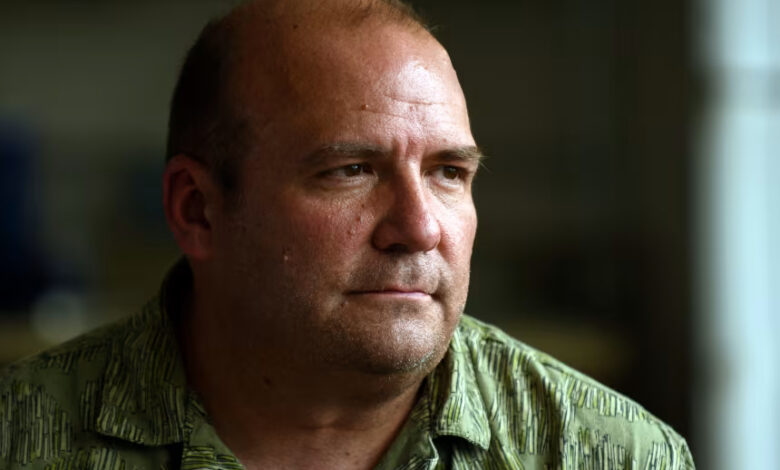
Army Maj. Stephen Ramsbottom outlined why he submitted the report in an exclusive interview with CBS’ Norah O’Donnell on “60 Minutes” that aired Sunday, describing the March 1 attack as a “tactical failure” by “the Army, our leadership, and myself.”
“We just did not plan this well, and this needs to be a lesson that we learn,” he said. He added that some people described the operations center as a “trailer park.”
The six US Army Reserve soldiers killed in the strike at Kuwait’s Shuaiba port were the first US service members killed in the US’ war with Iran. Dozens, including Ramsbottom, were wounded.
While senior Pentagon officials said at the time that the building was fortified, a source familiar with the site previously told CNN it was only surrounded by concrete barriers that would provide protection from car bombs but had nothing to shield it from drones or missiles. CNN also previously reported that the attack came quickly and with no warning or sirens to alert troops to evacuate or get into a bunker, according to a source familiar with the situation.
Ramsbottom said he brought up the lack of protection from aerial attacks to his superiors in various meetings and was told: “We don’t have to worry about protection.” Military leaders later said that they were going to try to get a counter-drone system sent to the site, but “it never arrived at Shuaiba and we don’t know if it was ever even ordered to or requested,” he said.
The installation did not have a physician or a fixed aid station when the drone strike happened, according to the whistleblower report. There was only one ambulance at the site.
Ramsbottom has made similar claims in interviews with multiple outlets since the attack. In an interview with CNN affiliate KOAA news in April, he recalled that while the facility had protections for “legacy threats” like mortar fire or car bombs, it wasn’t prepared for modern drone warfare.
“It was well-fortified for that type of thinking from pre-Russian invasion of Ukraine. It was a pretty well fortified base. But it wasn’t well prepared for the type of fight that we’re getting into,” he told the news station.
At a press conference after the attack in March, Defense Secretary Pete Hegseth said that the US has “incredible air defenders,” but acknowledged that “one” projectile had made it through in the attack.
“Every once in a while you might have one — unfortunately, we call it a squirter — that makes its way through. And in that particular case, it happened to hit a tactical operation center that was, that was fortified, but it — these are powerful weapons,” he said.
Sen. Richard Blumenthal, who sits on the House Armed Services Committee and is the top Democrat on the Senate’s Permanent Subcommittee on Investigations, has asked Hegseth to appear in a classified briefing to answer questions and provide “all force protection assessments” about the facility at the Shuaiba port.