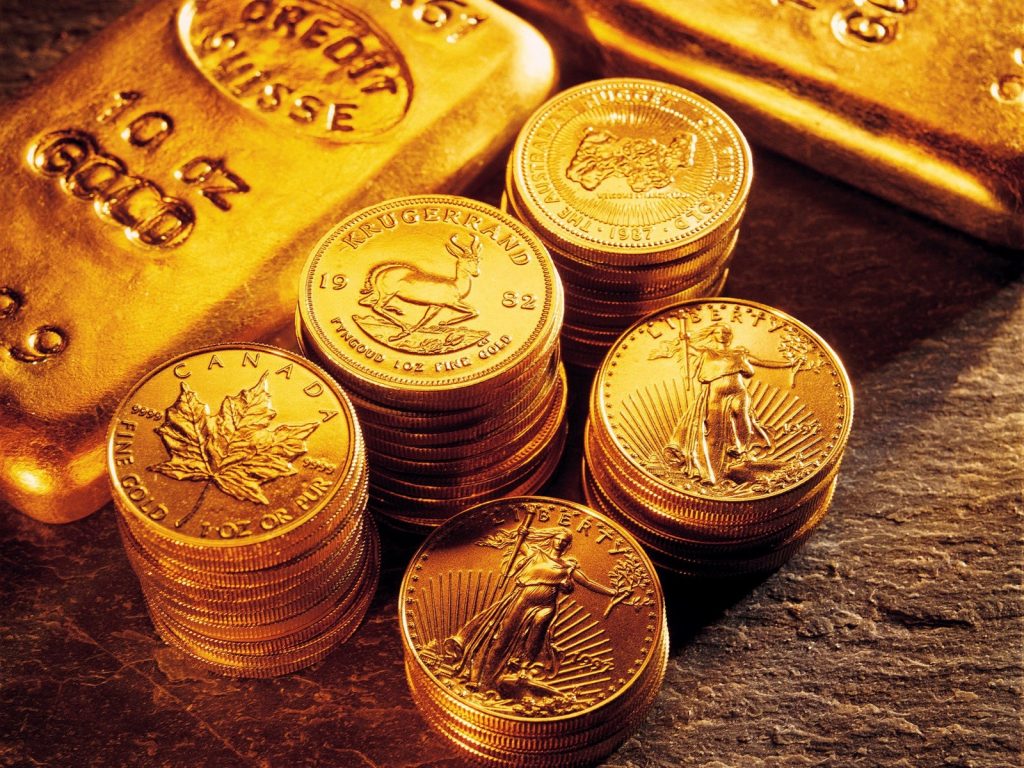
Gold prices in both domestic and international markets have undergone a period of marked instability over the last few days, spurred by rapid economic and political developments.
Just two days ago, global spot prices surged to US$5,225 per ounce before retreating to $5,182.
Locally, Egypt followed a similar trajectory: 21-karat gold hit a peak of LE7,000 per gram before softening to LE6,960.
Global catalysts: Policy and conflict
The Senior Consultant for South Asia and the Middle East at Metals Focus, Harshal Barot, attributes this global volatility to the prevailing uncertainty surrounding the US Supreme Court’s upcoming decision on trade tariffs.
Additionally, escalating fears regarding the potential expansion of the US-Iran conflict have driven investors toward gold, reinforcing its status as a “safe-haven” asset during times of crisis.
The Egyptian market: Supply chain constraints
Barot explained that while Egyptian gold prices generally track global trends, the local market frequently commands a premium.
This discrepancy is largely due to domestic supply-side challenges.
The Egyptian market relies heavily on recycled gold as its primary source of raw material, making the available supply highly sensitive to shifts in demand—particularly during periods of high investment appetite.
Barot noted that this supply model often struggles to keep pace with sudden spikes in buyer interest.
The resulting imbalance creates a significant gap between supply and demand, pushing local prices above global benchmarks even after accounting for exchange rate fluctuations.
2026 outlook: A bullish forecast
Looking ahead, Barot anticipates that the upward momentum in global prices will persist. Should current economic and geopolitical drivers remain in place, he predicts that gold could climb to $6,000 per ounce over the course of 2026.