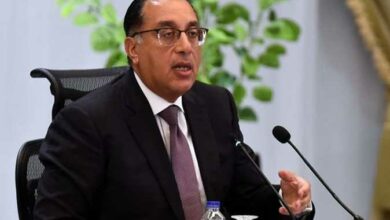
Mostafa Madbouly, Prime Minister, clarified the reality of statements attributed to him regarding power cuts, affirming that circulating reports claiming the announcement of power load shedding for 6 to 8 hours daily are inaccurate. He noted that his remarks during an earlier session at the Egypt 2026 Forum were confined to reviewing potential scenarios for dealing with rising global energy prices, without announcing the implementation of load shedding.
In his intervention to outline the features of the National Economic Transformation Program at the Egypt 2026 Forum on Thursday, Madbouly explained that presenting these scenarios aimed to illustrate the challenges facing the energy sector and the available alternatives to address them. He emphasized that the state chose in the current phase to bear the financial burden resulting from higher prices to avoid placing additional burdens on citizens.
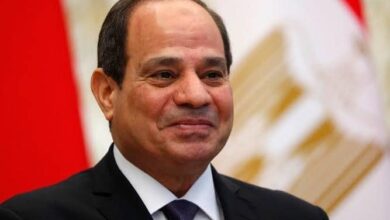
The Prime Minister indicated that the forum provided an opportunity to clarify facts to the public and respond to inaccurate information circulating on social media, aligning with President Abdel Fattah al-Sisi’s emphasis on discussing various issues and explaining their dimensions to citizens. The Prime Minister stated that the world is facing major challenges in the energy sector due to current economic and international developments, which affect developed and developing nations alike.
He explained that the state budget for the current fiscal year was built on an estimated oil price of $75 per barrel, whereas the price currently exceeds $110, imposing additional pressure on the budget and the costs of providing the fuel and gas necessary to operate the energy system.
Madbouly added that his earlier remarks simply outlined three options for managing global energy price hikes:
-
Passing costs to consumers: Directly raising prices to match global markets, a measure adopted by several countries.
-
State absorption: Having the government temporarily cover the price gap until market trends clarify, despite adding to public debt.
-
Curbing fuel imports: Sticking strictly to budgeted allocations by reducing petroleum imports by up to 40–50 percent.