The UAE bore the brunt of Iran’s attacks during the war. On Monday, it was hit again, almost a month after a ceasefire between Iran and the United States. No other state was targeted, and the truce is largely holding.
Here’s why Iran may have attacked the country:
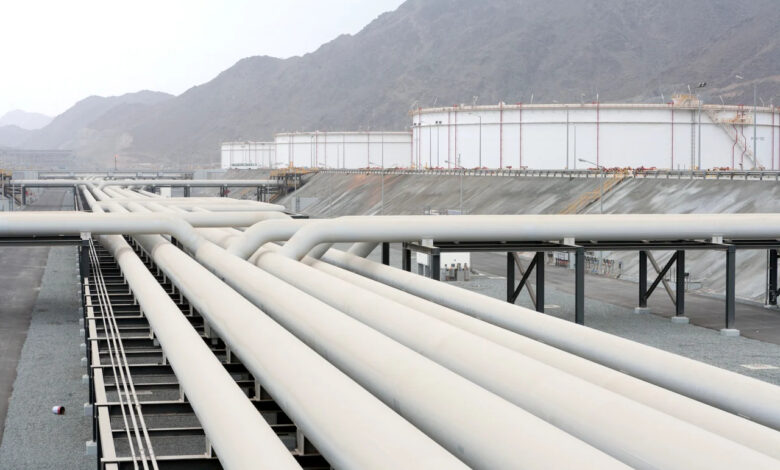
Controlling energy supply: While war-related disruptions, the UAE has kept more crude flowing to global markets than neighbors reliant on the now-shut Strait of Hormuz. Its pipeline at Fujairah, on the Gulf of Oman, was built specifically to bypass Hormuz – and that is what came under attack on Monday, along with UAE-linked tanker near the strait. Oil prices spiked.
Shortly before the attacks, Iran’s Islamic Revolutionary Guard Corps navy published a map showing a “new control area of the Strait of Hormuz” that included Fujairah, which lies outside the waterway. The move coincided with the start of the US’ “Project Freedom” to restore navigation through the strait. The timing suggests Iran was signaling both the will and capability to disrupt energy flows across the wider region.
Relations with Israel: The war has drawn Israel and the UAE closer. Officials expect ties to deepen, and sources say Israel took the unprecedented step of supplying the UAE with its missile defense systems and deploying troops to an Arab country for the first time. This comes as the UAE signals an apparent strategic realignment, moving away from traditional Arab and Muslim allies over what it describes as their meek response to Iranian attacks.
Shortly after the UAE was hit, an Iranian military source was cited by Tasnim news warning that the Abu Dhabi “will learn a lesson they will never forget” if it becomes “a pawn for Israel.”