The New York Times reported on Sunday that the United States has accelerated arms deals worth over $8.6 billion to Middle Eastern partners, utilizing emergency powers to bypass Congressional review. This move comes as negotiations to end the conflict with Iran remain deadlocked.
According to the report, the administration of President Donald Trump approved the transfers to Israel and several Gulf nations, including Qatar, Kuwait, and the United Arab Emirates (UAE).
The packages include missiles, precision-guided munitions, and advanced air defense systems. US Secretary of State Marco Rubio authorized the sales under an emergency provision that allows immediate transfers, skipping the standard parliamentary oversight period.
This marks the third time the current administration has invoked these powers during the ongoing confrontation with Iran.
Regional defense depletion and strategic needs
The report highlights that Qatar alone is expected to spend over $4 billion on Patriot missile interceptors, following the significant depletion of global stockpiles during the US-Israeli military campaign against Iran. Meanwhile, Kuwait is set to acquire an advanced air defense system valued at approximately $2.5 billion.
Regional tensions have escalated since late February, when US and Israeli forces launched strikes against Iran. Tehran responded with waves of ballistic missiles and drones targeting US bases and infrastructure across the Gulf and sites in Israel. UAE officials reported hundreds of such attacks during the conflict, placing immense strain on regional air defenses and prompting Washington’s urgent request for additional interceptors.
Diplomatic Gridlock and Economic Volatility
Despite a ceasefire that took effect last month, diplomatic efforts toward a permanent resolution remain stalled. Washington and Tehran continue to clash over the Iranian nuclear program, with both sides maintaining conflicting “red lines.”
Military threats: President Trump has repeatedly threatened further military action, including potential strikes on Iranian civilian infrastructure, such as power plants, should Tehran reject US terms—a prospect that raises significant legal and humanitarian concerns.
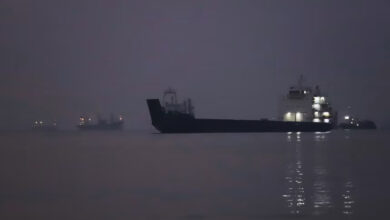
Maritime conflict: In the strategic Strait of Hormuz, Iran has restricted Western shipping, while the US has targeted Iranian ports, fueling severe volatility in global energy markets.
Political friction and supply constraints
The expedited sales have drawn sharp criticism from Democratic lawmakers. Gregory W. Meeks, the ranking Democrat on the House Foreign Affairs Committee, accused the administration of a pattern of bypassing Congress on key national security decisions.
While the State Department maintains that the transfers serve US national security and assist partners in self-defense, the Pentagon has expressed concern over production constraints. Delivery dates remain uncertain, and there are growing fears regarding the “hollowing out” of US domestic stockpiles amid surging global demand.