An end to the Iran war will bring immediate relief to oil and natural gas markets, but it could take months before prices fall back to the levels they stood at before the conflict started.
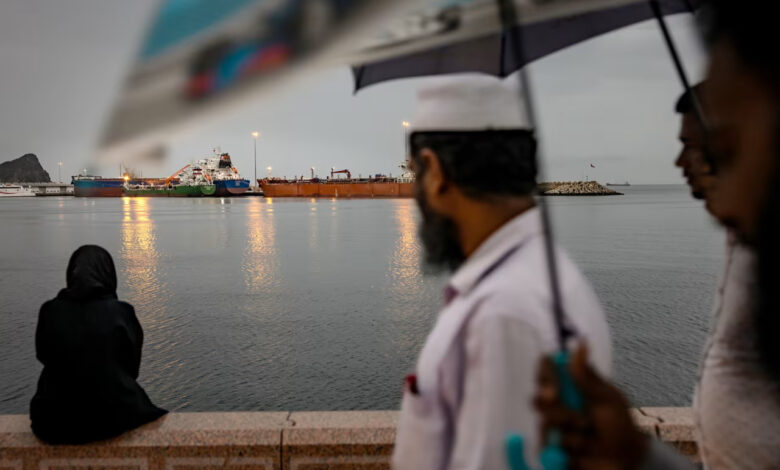
For a start, shipping companies and their insurers will need to feel confident that it is safe to travel through the vital Strait of Hormuz, ordinarily the conduit for about a fifth of the world’s oil supply. And even once tanker transits restart, it will take time to clear the backlog: Nearly 2,000 vessels are trapped inside the adjacent Persian Gulf, according to the International Maritime Organization.
The war has also shuttered many oil and natural gas facilities, and resuming production could take several weeks. It’s “not like you switch the light button and everything comes back online,” Anne-Sophie Corbeau, a researcher at the Center on Global Energy Policy at Columbia University, told CNN.
Worse still, attacks on production sites mean it could take months, or even years, to return to previous levels of output. QatarEnergy, the world’s largest producer of liquefied natural gas, said last week that Iranian missile attacks on its facilities had reduced its export capacity by 17 percent and that the damage would take up to five years to repair.
Aliko Dangote, founder of the Dangote Group, which owns oil refineries in Nigeria, told CNN’s Eleni Giokos Monday that it would take at least six months for oil supply to return to “normal” once the war ended. Oil prices might then stabilize but would likely remain at $75-80 for the rest of the year, he said.
For context, a barrel of Brent crude oil was trading at $73 before the United States and Israel attacked Iran on February 28. WTI, the US benchmark, was trading at $67 a barrel. Crude prices had already begun rising before the war, from around $60 and $57 respectively at the start of the year, as tensions between the United States and Iran ratcheted up.
In the United States, gasoline prices have surged in recent weeks as a result of higher oil prices. They are likely to fall much more slowly than they’ve risen.