Prime Minister Mostafa Madbouly affirmed the government’s keenness on regularly monitoring the strategic stockpile of medicines, while continuing efforts to localize the pharmaceutical and medical supplies industries.
The remarks were made during a meeting held Sunday to follow up on the availability of pharmaceuticals and active ingredients in the Egyptian drug market, in the presence of Minister of Health and Population Khaled Abdel Ghaffar, Head of the Egyptian Drug Authority Ali al-Ghamrawy, Chairman of the Egyptian Authority for Unified Procurement, Medical Supply and Technology Management Hisham Stait, Assistant Governor of the Central Bank of Egypt Mohamed Abu Moussa, and officials from relevant ministries and entities.
Cabinet Spokesman Mohamed al-Homsany said the meeting reviewed a comprehensive report on the current stock of medicines and medical supplies available at the warehouses of the Health Ministry and its affiliated bodies.
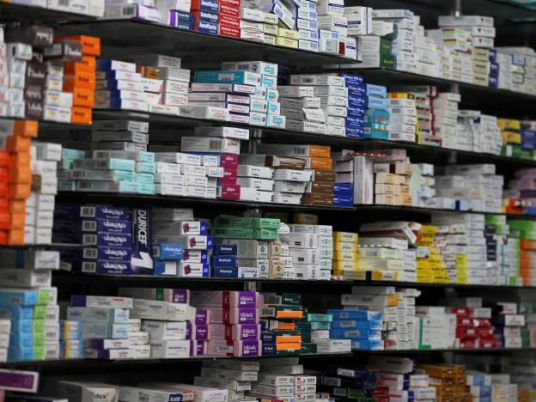
The report indicated that available quantities are sufficient to meet local needs for reassuring periods, covering a wide range of medical supplies, including radiology equipment, blood bank supplies, vascular and general surgery requirements, cardiac catheterization tools, dialysis equipment, ophthalmology supplies, laboratory materials, as well as supplies for cardiac, thoracic, neurosurgical and other specialized procedures.
Homsany added that the meeting also confirmed the availability of sufficient quantities of key therapeutic drug categories to meet medical needs for varying periods, including medications for cardiovascular and blood diseases, anticoagulants, emergency drugs, respiratory and digestive treatments, seasonal cold medicines, as well as drugs for obstetrics and gynecology, diabetes and endocrine disorders, painkillers, and anti-tuberculosis medicines.
The discussions further affirmed the availability of vitamins and nutritional supplements, oncology and immunology treatments, psychiatric and neurological medications, dermatological treatments, dental anesthesia, antimicrobials, intravenous solutions, minerals, anesthetics, sepsis treatments, blood proteins, and anti-allergy drugs.
The spokesman noted that the meeting highlighted a nine percent growth in the local pharmaceutical market, with the number of drug packs reaching 3.9 billion in 2025 compared to 3.5 billion in 2024.
Regarding pharmaceutical supply chains, he said the government is closely monitoring the availability of a strategic stock of active pharmaceutical ingredients (APIs), alongside daily tracking of imports in light of the ongoing war. He pointed to indicators of relative stability in imports despite challenges, reviewing in detail the status of key strategic medicines and their raw materials across various therapeutic categories.
He added that another report was also reviewed on the current executive status of the strategic stock at the warehouses of the Unified Procurement Authority, including average coverage rates of medical supplies, medicines, and equipment serving different therapeutic sectors.