In a quiet street in the heart of the Greek capital stands a massive sand-colored classical building, held by elegant columns as if ripped straight from ancient Greek civilization.
This is the National Archaeological Museum of Athens, the largest archaeological museum in the country and one of the most important institutions in the world dedicated to preserving the heritage of ancient Greece.
Upon crossing the museum’s threshold, one truly feels as though they have entered another era. The modern bustle of the capital fades away, replaced by the silence of marble statues and the glint of ancient gold.
Within these spacious halls, you aren’t merely staring at artifacts; you are witnessing the story of an entire civilization that began thousands of years ago.
As Greece’s premier archaeological site, it houses more than 11,000 artifacts across a gallery space spanning nearly 8,000 square meters, welcoming hundreds of thousands of visitors annually who have traveled from across the globe to see the treasures of the Hellenic world.
A journey through time
Numbers are merely the introduction to the story, however.
Touring the museum takes you on a long journey through time, starting from the dawn of civilization and ending at the pinnacle of ancient Greek art and science. This journey begins in the Prehistoric Antiquities halls, featuring treasures from the Mycenaean civilization that flourished over 3,000 years ago.
Behind a glass case shines the Mask of Agamemnon, the museum’s most famous piece.
It was discovered in the 19th century by German archaeologist Heinrich Schliemann inside a royal tomb – Schliemann believed he had found the face of the legendary leader of the Trojan War. While modern scholars question that specific narrative, the mask still carries a unique aura.
The luster of the gold, even after millennia, reveals a civilization that understood power, wealth, and royal ritual. Beside it lie golden cups, decorated daggers, and finely crafted jewelry—testaments to an ancient world that lived at the intersection of myth and history.
From rigid stone to scientific marvels: The evolution of art and science
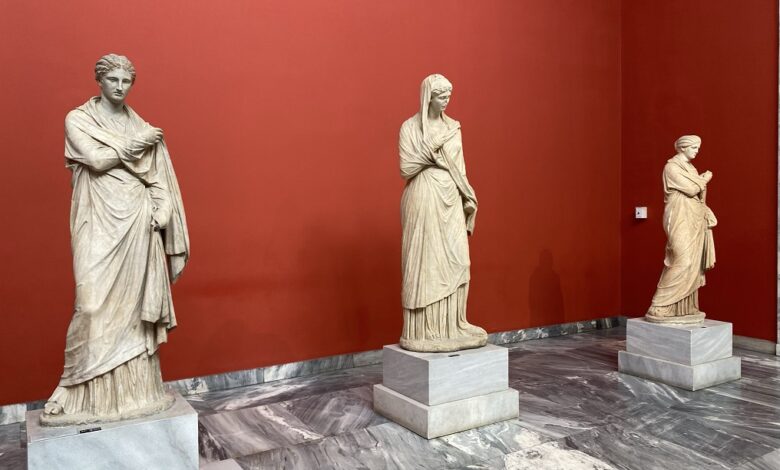
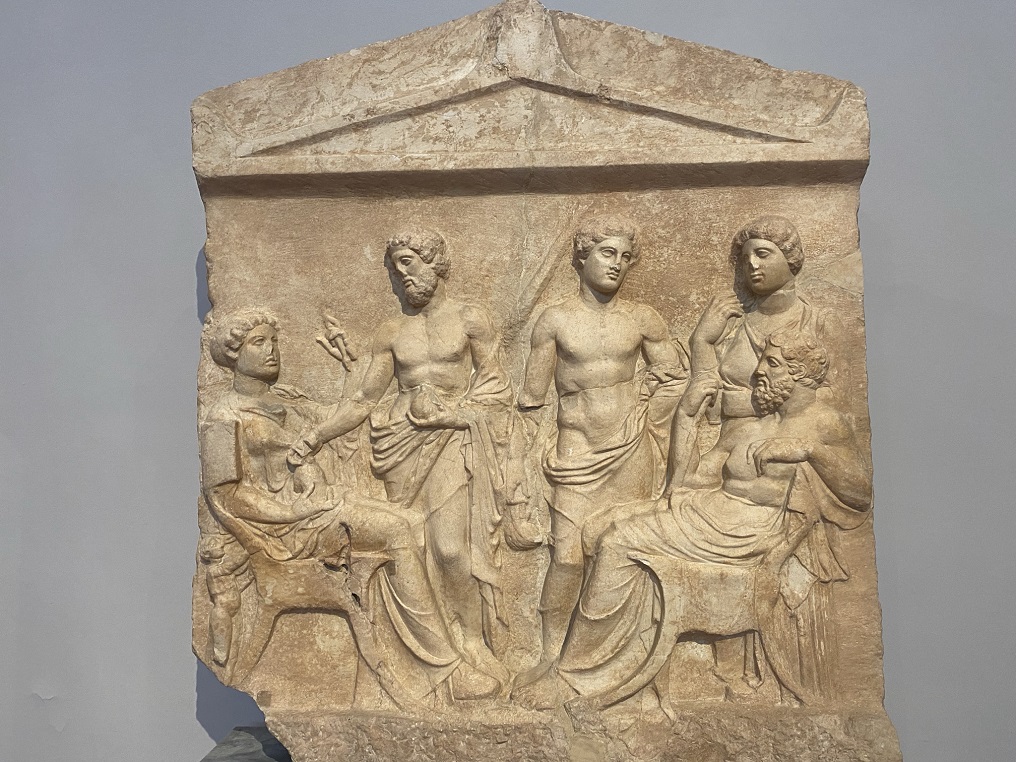
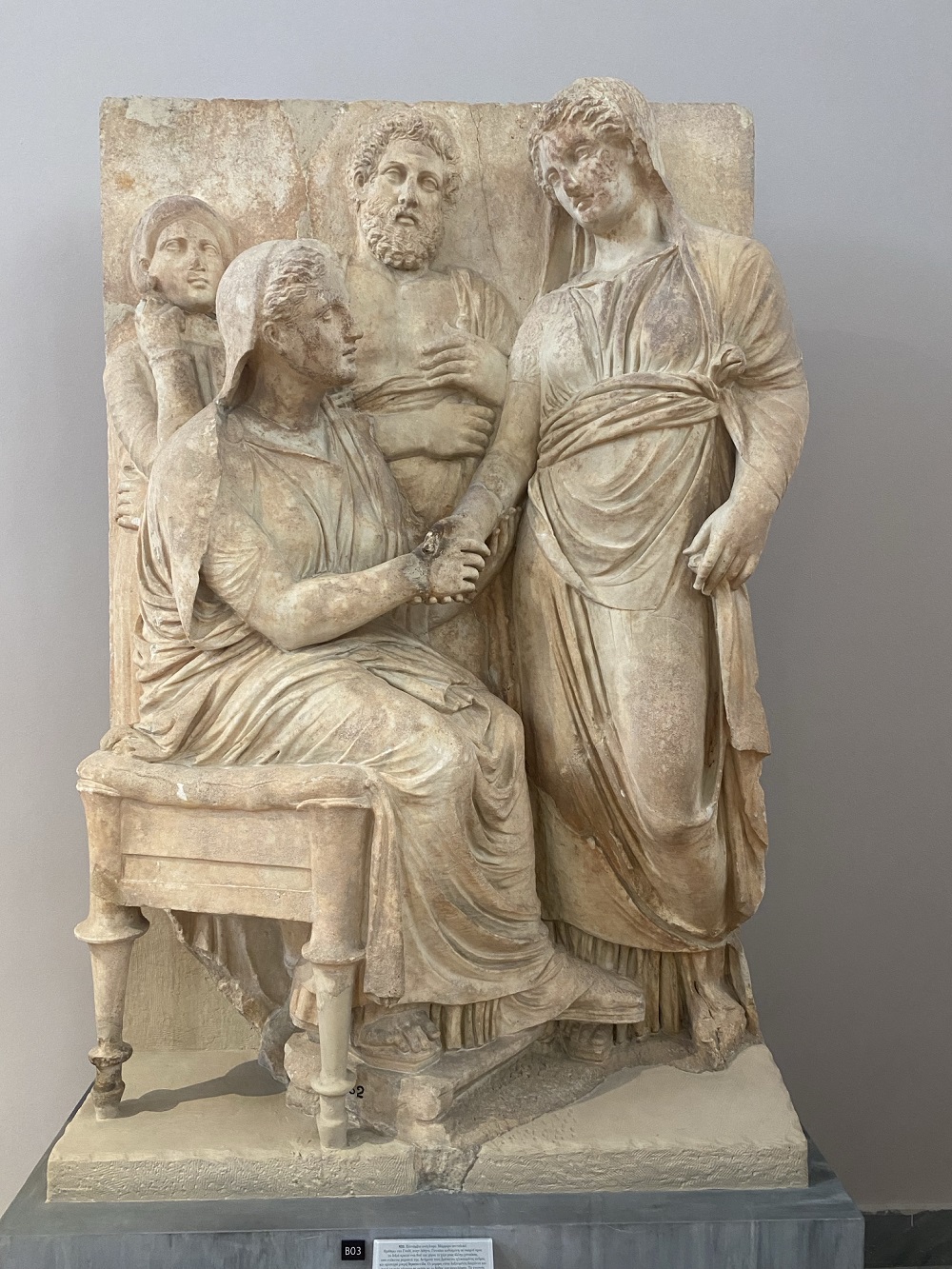
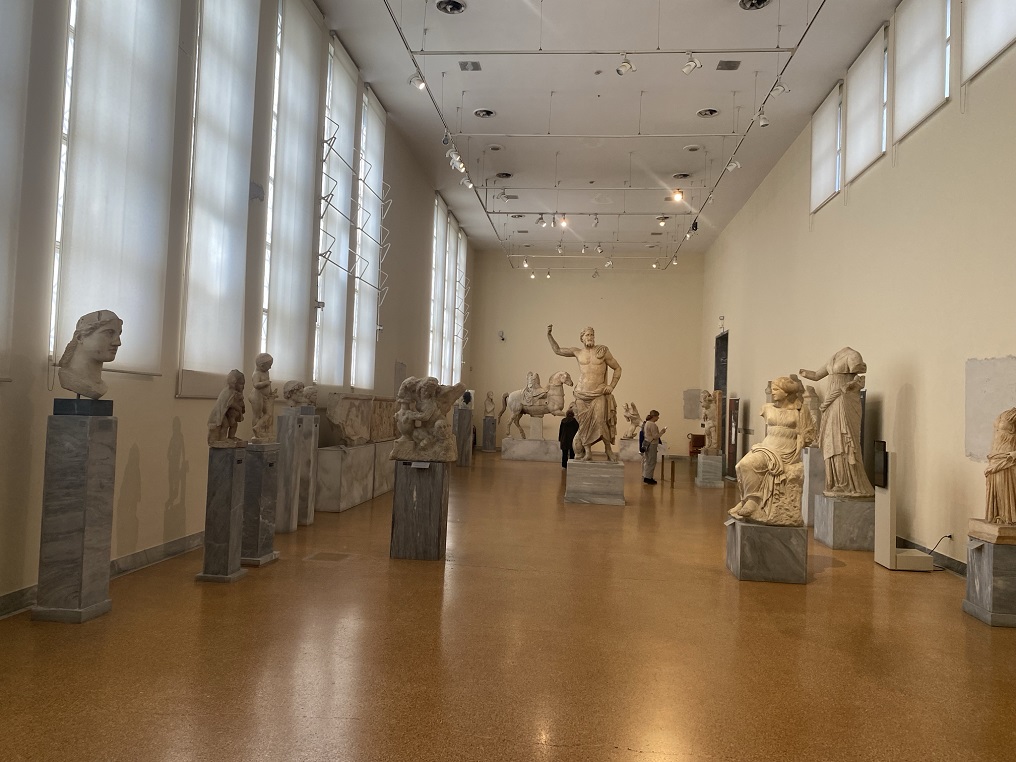
Moving onto the Sculpture Galleries, the scene shifts entirely. Dozens of marble statues line long corridors, standing like a silent audience watching the visitors pass.
The journey begins with the Kouros statues—stiff, upright figures of young men dating back to the sixth century BCE. Their faces carry a mysterious smile, and their bodies appear simplified in form.
Progressing through the halls, a gradual transformation unfolds.
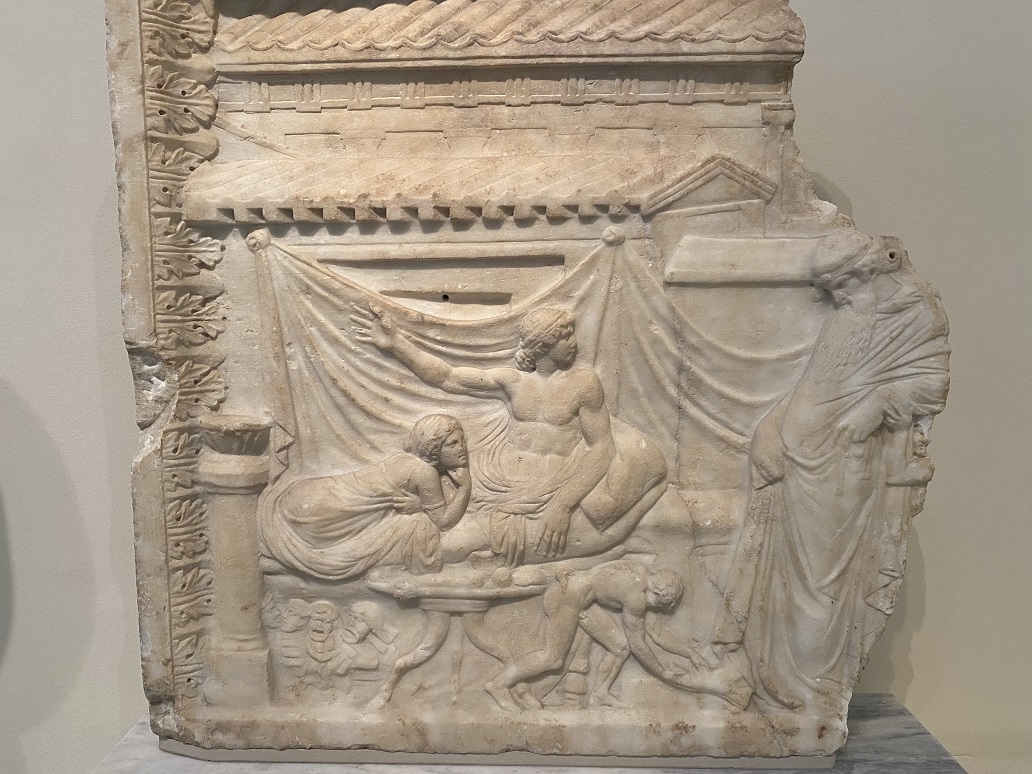
Details become finer, and movement becomes more lifelike, progressing towards Classical masterpieces that look like real humans suddenly turned to stone.
Here, the evolution of Greek sculpture is visible to the naked eye—from humble beginnings to the artistic perfection that later inspired all of European art.
The world’s first computer
In one of the halls, a small device sits behind thick glass, yet it is perhaps the most astonishing object in the entire museum: the Antikythera mechanism.
Discovered in 1901 within a shipwreck in the Aegean Sea, scientists believe it was used to calculate the movements of the sun, moon, and planets, and to predict eclipses.
With its complex system of bronze gears, researchers consider it the oldest known astronomical computer in history.
Its presence serves as a reminder that Greek civilization was not only dedicated to art and philosophy, but also pioneered science and discovery.
Gods and legends
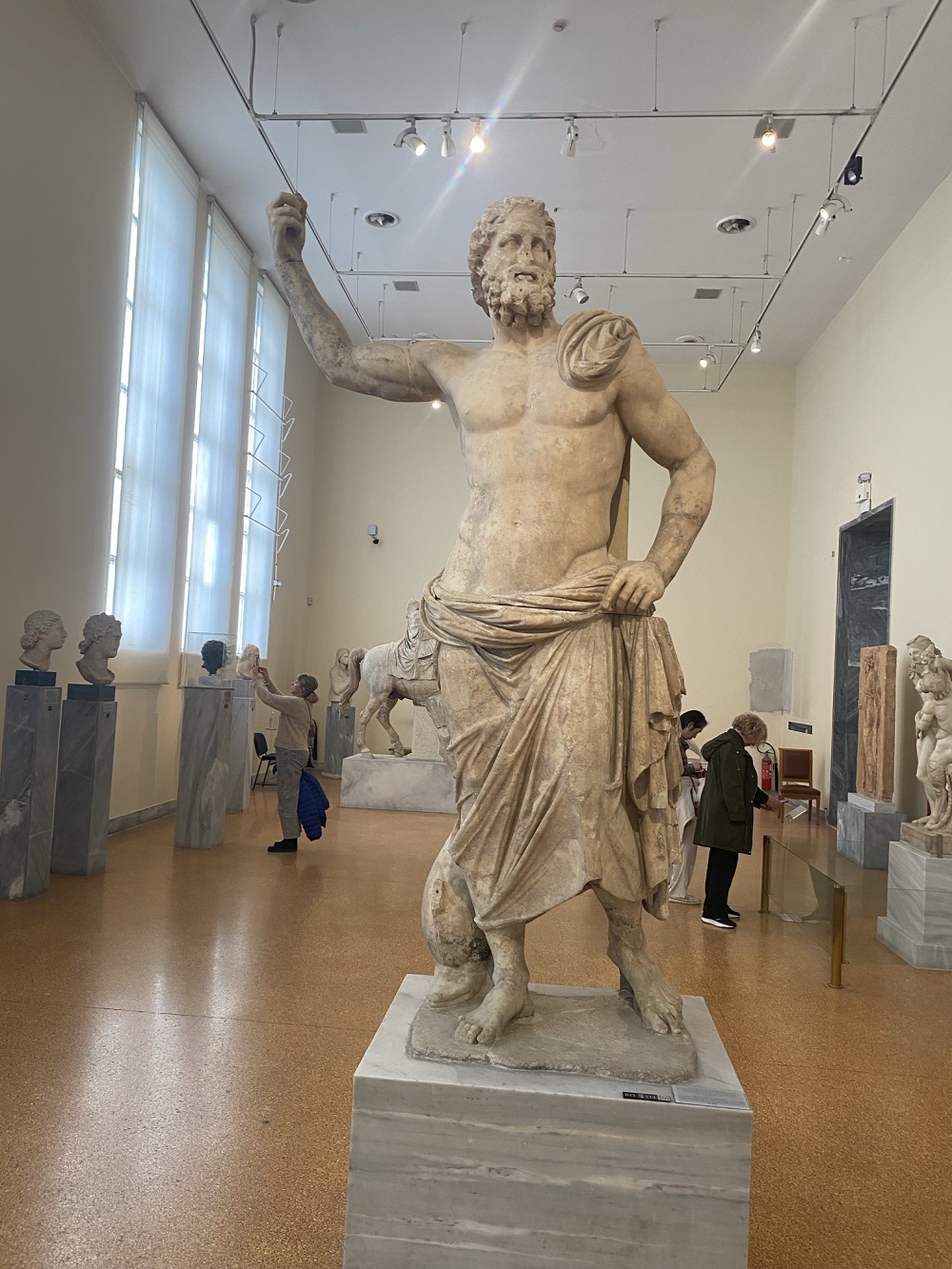
At the end of one gallery stands a massive bronze statue of a god with arms outstretched. Some researchers believe it represents Zeus, the king of gods, while others argue it is Poseidon, the god of the sea.
Regardless of its identity, the statue represents one of the most magnificent moments in Greek bronze casting.
A legacy that never fades
Today, the National Archaeological Museum of Athens welcomes over half a million visitors annually, while thousands of other artifacts remain preserved in its storerooms and laboratories. Although Athens is filled with open-air sites—from the Acropolis to ancient temples—this museum remains the only place where one can view the complete picture of Greek civilization.
It also houses two Egyptian antiquity halls, which deserve a detailed article of their own.
Upon exiting, the sounds of the modern city return, but something lingers in one’s memory: silent marble faces, gold from the age of legends, and a small device that was two thousand years ahead of its time.
In the National Museum of Athens, it feels as though history has never truly left.