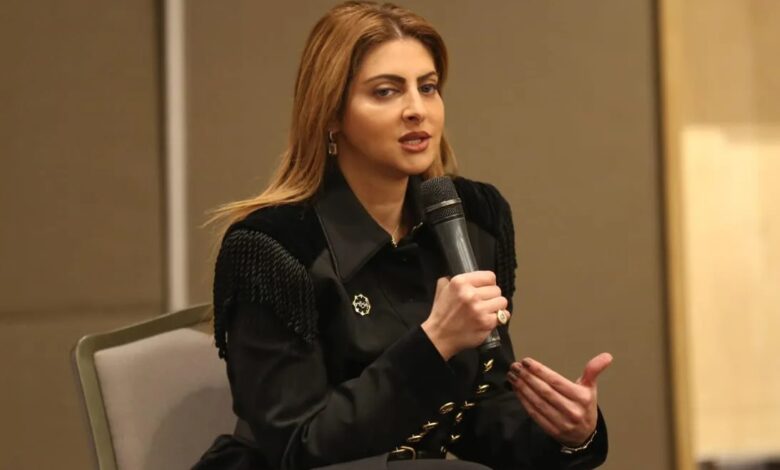
The Founder and chairperson of the board of trustees of Ahl Masr Burns Hospital Heba al-Sewedy commented on Senator Amira Saber’s proposal to regulate and promote a culture of skin and tissue donation and establish a national bank for skin tissue instead of relying on costly imports.
The debate surrounding the proposal has strayed from its humanitarian core and devolved into unjustified verbal attacks, she warned despite the issue being about saving lives and supporting the most vulnerable groups, such as children with burns.
Sewedy clarified that limiting the discussion to “skin donation” alone is an inaccurate oversimplification.
She pointed out that organ donation includes various organs and tissues such as the heart, liver, kidneys, and corneas, which in many cases are the last chance for patients.
Organ donation after death remains a free and personal choice that cannot be imposed on anyone, but conversely, those who choose this humanitarian path should not be attacked or accused of treason, she stressed.
A tool to save lives
The founder of the Ahl Masr Hospital affirmed that her personal experience with organ donation strengthened her belief in the importance of spreading this culture.
She noted that donation is one of the greatest forms of ongoing charity, the impact of which extends for many years within families and society.
Sewedy pointed out that skin grafting is not a cosmetic procedure or a medical luxury, but rather a crucial intervention to save lives, as the skin is the largest organ in the human body and the first line of defense against fluid loss and infection.
She revealed that survival rates for severe burns in Egypt did not exceed 20 percent, while in countries that implement donor skin grafting systems, they reach approximately 90 percent.
Organ donation already allowed
Sewedy noted that Ahl Masr Hospital is currently forced to import skin to save injured children, especially infants who do not have healthy areas for grafting.
She added that this debate contradicts how corneas transplants from abroad are already accepted to treat patients with vision loss.
Several Arab countries, including Saudi Arabia, the UAE, Jordan, and Kuwait, have already enacted clear laws on organ and tissue donation, with specialized centers that enjoy public trust, she noted.
Sewedy concluded her statement by emphasizing that the Egyptian Dar al-Ifta, the official body for issuing religious edicts, has already settled the matter.
It declared that organ donation after death permissible as a continuous act of charity and one of the noblest acts of benevolence.
She called to tackle societal differences on this issue with awareness and compassion, and expressed her gratitude to all those who have supported burn patients, including officials, media figures, and celebrities.
Edited translation from Al-Masry Al-Youm