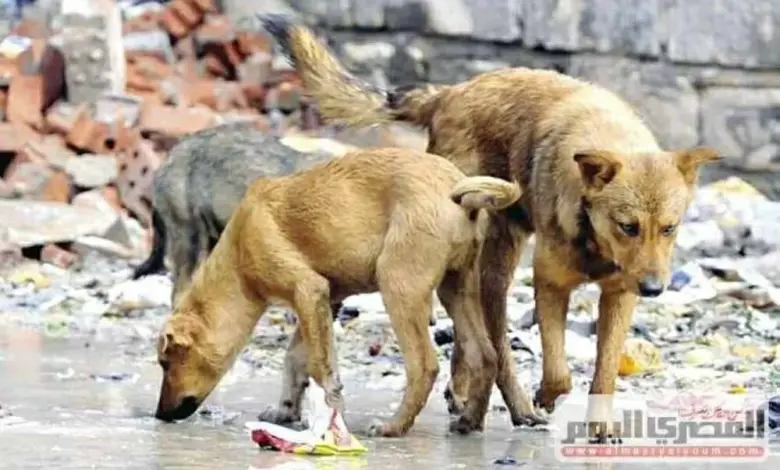
Egypt’s Ministry of Agriculture and Land Reclamation has launched a unified national strategy to manage the country’s street animal population. The initiative establishes scientific and veterinary standards across state institutions to handle stray animals safely.
Key details of the new national plan include:
1. Restructuring veterinary policies
Following directives from President Abdel Fattah El-Sisi, a committee comprising representatives from relevant ministries and state authorities has been formed to overhaul veterinary policies and unify management efforts.
2. Adoption of the TNR Program
The strategy relies on the Trap-Neuter-Vaccinate-Return (TNR) framework. Street dogs will be vaccinated against rabies, spayed or neutered, and returned to their habitats, mirroring internationally recognized protocols for managing stray populations.
3. Ban on culling and poisoning
The ministry ordered an immediate halt to indiscriminate control methods. The plan strictly prohibits mass culling, the use of poison, and unauthorized animal relocations. Legal action will be taken against violators.
4. Alignment with international standards
The ministry emphasized that the plan aligns with Egypt’s commitments under the Convention on Biological Diversity and complies with guidelines set by the World Organisation for Animal Health (WOAH).
5. Strict oversight and measures against misinformation
All citizens, institutions, civil society organizations, and local authorities are instructed to adhere strictly to the new protocol. Unilateral decisions outside the approved framework are prohibited. The ministry warned that strict legal action, coordinated with security and regulatory bodies, will be taken against unauthorized practices or deliberate attempts to mislead the public.
6. Modernizing veterinary infrastructure
The initiative includes upgrading veterinary units, slaughterhouses, and diagnostic laboratories. It also calls for legislative updates, digital transformation, and the creation of smart database platforms for crisis management.
7. Ecological balance and public health
The plan aims to strike a balance between safeguarding public health and preserving ecological integrity through sustained vaccination drives, neutering programs, and science-backed management.