A report published on Monday, June 29, 2026, by African Business – a magazine specialized in economics, business, and investment in Africa – praised the strong performance of Egypt’s tourism sector in recent years, stressing that Egypt has become one of the leading tourist destinations in the region thanks to significant growth in visitor numbers and the diversity of its tourism assets.
The report noted that the number of tourists arriving in Egypt rose from around 13 million in 2019 to 19 million last year, according to government statistics.
It added that the tourism sector has become one of the country’s most important sources of income and employment, providing millions of jobs and generating substantial revenues for the state.
It explained that this growth has been driven by several factors, including an increase in low-cost flights from Europe, growing interest from airlines and tour operators in the Egyptian market, and Egypt’s year-round sunny weather along with its diverse tourism offerings.
The magazine added that relative stability in recent years has helped strengthen Egypt’s image as a safe tourist destination, encouraging millions of visitors to choose Egyptian tourist cities, particularly the Red Sea resorts.
While African Business highlighted potential challenges posed by the regional situation on travel flows, it emphasized that Egypt’s tourism sector has strong resilience and that demand for the Egyptian destination remains supported by the variety of experiences the country offers.
The report pointed out that Egyptian tourism is no longer limited to beach resort models, but is increasingly moving toward more diversified experiences, including eco-tourism, cultural tourism, and community-based tourism.
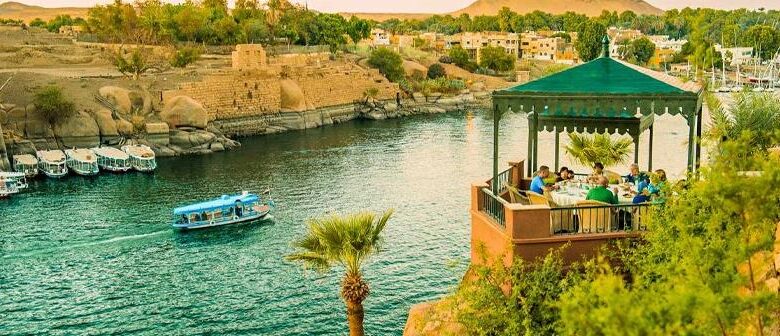
It further noted that Egypt possesses a unique tourism wealth ranging from historical monuments such as the Pyramids and the Valley of the Kings to coastal cities, desert landscapes, and local communities.
It also highlighted the opening of the Grand Egyptian Museum as an important milestone in strengthening Egypt’s position as a global destination for history and culture enthusiasts.
The report also reviewed the experiences of several local companies working to develop the concept of “Experiential tourism” by introducing visitors to different aspects of Egyptian life, such as traditional crafts, agricultural activities, and environmental experiences, thereby helping expand the benefits of tourism for local communities.
It added that areas such as the Red Sea remain a major tourism hub, with significant opportunities to develop the participation of small and medium-sized enterprises, boutique hotels, and local activity providers in the tourism value chain.
African Business concluded its report by emphasizing that the future of Egyptian tourism does not depend solely on increasing visitor numbers, but also on developing an integrated experience that reflects Egypt’s true diversity and creates broader economic opportunities for local communities.