Global gold prices fell on Thursday, as precious metals saw a broad decline driven by subsiding geopolitical risks and a diminishing appetite for safe-haven assets.
This downturn follows a shift in US President Donald Trump’s stance, as he moved away from previous threats of new tariffs and abandoned a proposal to forcibly annex Greenland. Furthermore, a strengthening US dollar exerted additional downward pressure on metal prices.
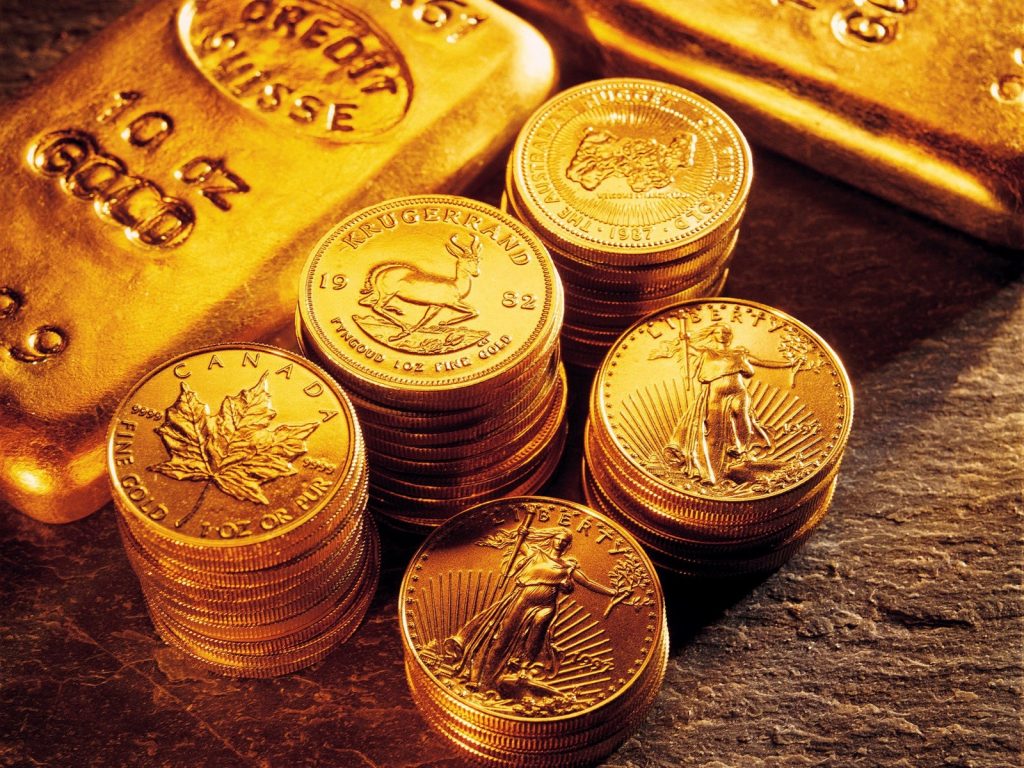
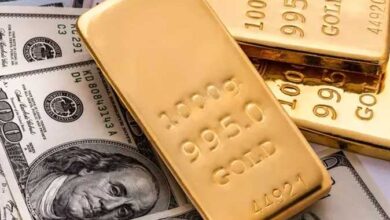
In early spot trading, gold fell by 0.8% to $4,799.79 per ounce as of 01:36 GMT, following a record high of $4,887.82 reached in the previous session. U.S. gold futures for February delivery also dropped by 0.6% to $4,806.60 per ounce, according to Reuters data.
Across financial markets, the U.S. Dollar surged while 10-year Treasury yields pulled back from multi-month highs. Simultaneously, Wall Street indices trended upward, buoyed by news of the U.S. administration’s reversal on tariff impositions. Generally, a stronger dollar increases the cost of greenback-denominated metals for international investors, effectively stifling demand.
The Federal Reserve is widely expected to keep interest rates unchanged following its upcoming meeting on January 27-28, despite repeated calls from President Trump for rate cuts. As a non-yielding asset, gold typically performs better in low-interest-rate environments where the opportunity cost of holding the metal is lower.
Other precious metals followed the downward trend:
Spot Silver dropped 0.9% to $92.38 per ounce, cooling off from Tuesday’s record peak of $95.87.
Platinum plunged 2.7% to $2,415.60 per ounce, down from Wednesday’s record high of $2,511.80.
Palladium slipped 1% to $1,821.50 per ounce after hitting a one-week high in the previous session.