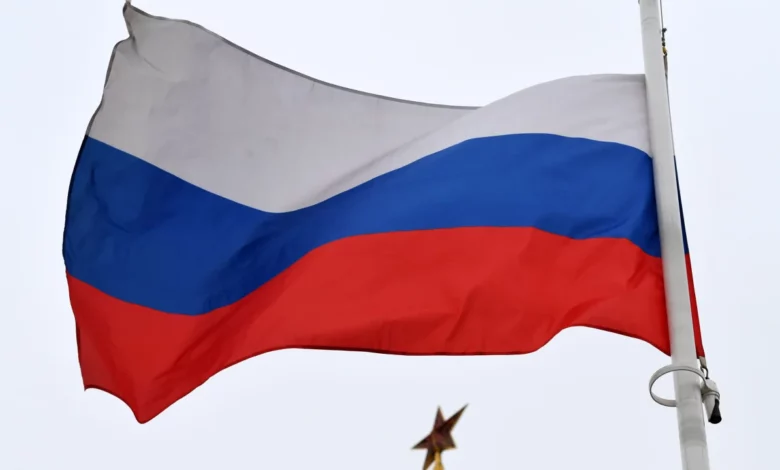
Prime Minister Mostafa Madbouly reaffirmed Egypt’s strong commitment to strengthening its strategic partnership with the Russian Federation, both bilaterally and within multilateral frameworks, including the BRICS group and other international organizations, as well as with the Republic of Tatarstan, one of the most prominent republics within the Russian Federation in the fields of industry, agriculture, and trade.
This came during a meeting held on Tuesday, April 14, 2026, at the government headquarters in the New Capital, where Madbouly received President of the Republic of Tatarstan Rustam Minnikhanov to discuss a range of issues of mutual interest and avenues for expanding cooperation.
At the beginning of the meeting, the Prime Minister welcomed the visiting delegation, expressing his appreciation for the visit.
He noted that he had earlier met with President Abdel Fattah al-Sisi, who stressed the importance of capitalizing on the current momentum in Egyptian-Russian relations to advance implementation of the Russian industrial zone within the Suez Canal Economic Zone, and to accelerate related procedures in light of the progress achieved.
Madbouly stressed that Egypt attaches high priority to operationalizing the Russian industrial zone, highlighting Cairo’s aspiration to benefit from the advanced industrial expertise available in Tatarstan and to attract additional Russian investment and manufacturing enterprises to the zone.
He pointed to ongoing cooperation with several leading Tatarstan companies in key sectors, including truck manufacturing, petrochemical refining, and automotive tire production.
He underscored Egypt’s interest in expanding this cooperation through enhanced training programs, technology transfer, and capacity-building initiatives aimed at localizing advanced industries in Egypt.
The Prime Minister praised the notable industrial development achieved in Tatarstan, particularly in the production of trucks, agricultural machinery, aircraft, and helicopters, in addition to its growing capabilities in technology and agro-industrial sectors.
He also extended congratulations on the selection of Kazan as the Capital of Islamic Culture for 2026 and on its upcoming hosting of the Ministerial Meeting of the Organization of Islamic Cooperation (OIC) on cultural affairs, as well as the city’s assumption of the presidency of the BRICS Cities Alliance.
Madbouly further expressed Egypt’s keen interest in expanding agricultural cooperation with Tatarstan, including increasing Egyptian agricultural exports, and enhancing collaboration in genetic engineering and agricultural mechanization.
He also highlighted Egypt’s intention to deepen cooperation in the pharmaceutical sector by encouraging Tatarstan companies to participate in Egypt’s industrial zones and exploring opportunities for joint manufacturing in Egypt’s Pharmaceutical City, in addition to strengthening cooperation in technology and innovation.
The prime minister further addressed Egypt’s objective of increasing scheduled and charter flights between Kazan and Egyptian tourist destinations, particularly Hurghada and Sharm El-Sheikh, to boost Russian tourism inflows.
For his part, President Minnikhanov expressed his appreciation for the warm reception and Egypt’s continued efforts to strengthen bilateral relations, noting that ties between both sides span more than 80 years and are based on constructive dialogue and strategic cooperation.
He highlighted ongoing Russian-Egyptian cooperation in major projects, including the El Dabaa Nuclear Power Plant, the Russian industrial zone in the Suez Canal Economic Zone, and railway cooperation projects, underlining Egypt’s role as a key regional logistics hub for food and energy.
Minnikhanov also underscored shared concerns over regional developments, stressing support for peaceful and diplomatic solutions to ongoing crises in the Middle East.
He further noted that Tatarstan is a leading industrial region, adding that trade and investment ties with Egypt have been steadily growing, with significant potential for further expansion.
He expressed interest in expanding cooperation in agriculture, food processing (including dairy and meat production), automotive manufacturing, engineering industries, information technology, and healthcare, as well as tourism cooperation with Egyptian Red Sea destinations.
He also referred to cooperation with Al-Azhar Al-Sharif in training and preparing imams and religious scholars, and praised Egypt’s experience in establishing new urban communities, expressing interest in expanding cooperation in urban development.
Minister of Agriculture and Land Reclamation Alaa Eldin Farouq stated that both sides had agreed to increase trade exchange, particularly in grains, and to localize agricultural equipment manufacturing within the Suez Canal Economic Zone, in addition to enhancing cooperation in agricultural production and agro-industries, especially dairy and meat production.
He also noted agreement to organize a joint business forum.
Minister of Industry Khaled Hamed said that recent discussions focused on concrete steps to enhance industrial cooperation, particularly in the automotive sector.
Minister of Culture Gihane Zaki affirmed Egypt’s support for Kazan’s designation as Capital of Islamic Culture 2026 and discussed strengthening cultural and heritage cooperation with her Tatarstan counterpart.
At the conclusion of the meeting, both sides agreed to translate the understandings reached into a detailed action plan with a clear implementation timeline to ensure effective follow-up and tangible results.
The meeting was attended by a number of Egyptian ministers and senior officials, as well as representatives from the Republic of Tatarstan and the Embassy of the Russian Federation in Cairo.