The Iranian economy is in free-fall, led by a stunning depreciation of its currency, the rial.
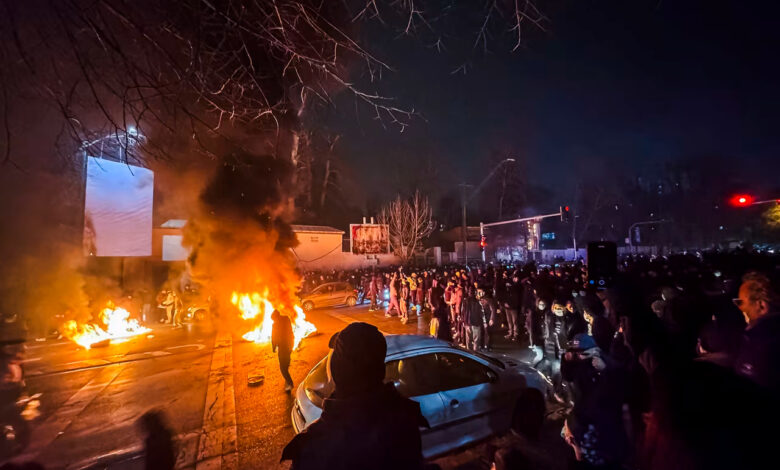
Inflation and deepening poverty have fuelled the protests, which began with a strike among merchants in Tehran’s bazaar. Many Iranians seek refuge in gold as the currency spirals downwards.
The rial has lost about 40 percent of its value since the 12-day war in June. On December 28, it hit an all-time low, at nearly 1.5 million to the dollar.
Inflation hit a 40-month high of 48.6 percent in October, according to Iran’s Statistical Center, and stood at 42.2 percent in December. Food prices rose 72 percent year-on-year.
US and UN sanctions continue to restrict access to foreign exchange and international banking, while central bank borrowing has fueled inflation.
The World Bank has forecast that Iran’s GDP will shrink by 1.7 percent in 2025 and 2.8 percent in 2026.
The Iranian economy is hobbled by extensive US and European sanctions, but also unaffordable subsidies, corruption and cumbersome regulation.
As the protests began President Masoud Pezeshkian promised that fundamental reforms of the monetary and banking system were on the agenda to protect purchasing power.
Days earlier, the governor of the Central Bank quit under pressure from hardliners in the National Assembly. His replacement, former Economy Minister Abdolnaser Hemmati, had been impeached by parliament in March.
However, despite the sanctions Iran has been able to maintain oil production and exports, according to industry analysts. Exports averaged about 2 million barrels a day in the last quarter of 2025 and provide a vital source of foreign exchange. But not enough to make up for the overall economic challenges.