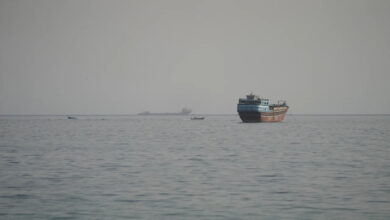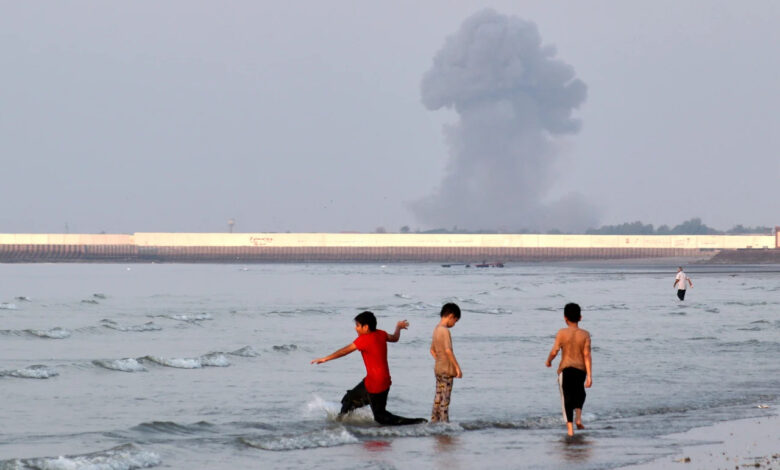
Over recent days, as fighting between the US and Iran has renewed, several vessels in the Strait of Hormuz have been attacked, killing at least two people.
President Donald Trump said yesterday the US will act as the “guardian” of the waterway, charging commercial shippers 20% of the value of their cargo to reimburse the US for “providing safety and security to this very volatile section of the world.”
A narrow waterway that bypasses Iran and Oman, the Strait of Hormuz is the main route for shipping crude from oil-rich countries such as Saudi Arabia and Kuwait to the rest of the world.
The strait has remained a major flashpoint since the start of the conflict, after it was effectively closed by Tehran following airstrikes by the US and Israel on February 28.
Ships began to travel through the strait again after the US and Iran agreed to a Memorandum of Understanding last month, but over the weekend, Tehran declared the waterway closed once more. Washington has insisted otherwise.
Iran controls the strait’s northern side. About 20 million barrels of oil, or about one-fifth of daily global production, used to flow through the strait every day, according to the US Energy Information Administration, which calls the channel a “critical oil chokepoint.”
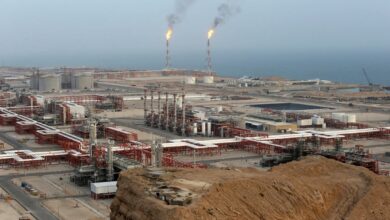
While some producers, including Saudi Arabia and the United Arab Emirates, have found alternative routes for their exports, around 10-12 million barrels of crude remain choked off from global markets. The strait also carries about one-fifth of global trade in liquefied natural gas, largely from Qatar.