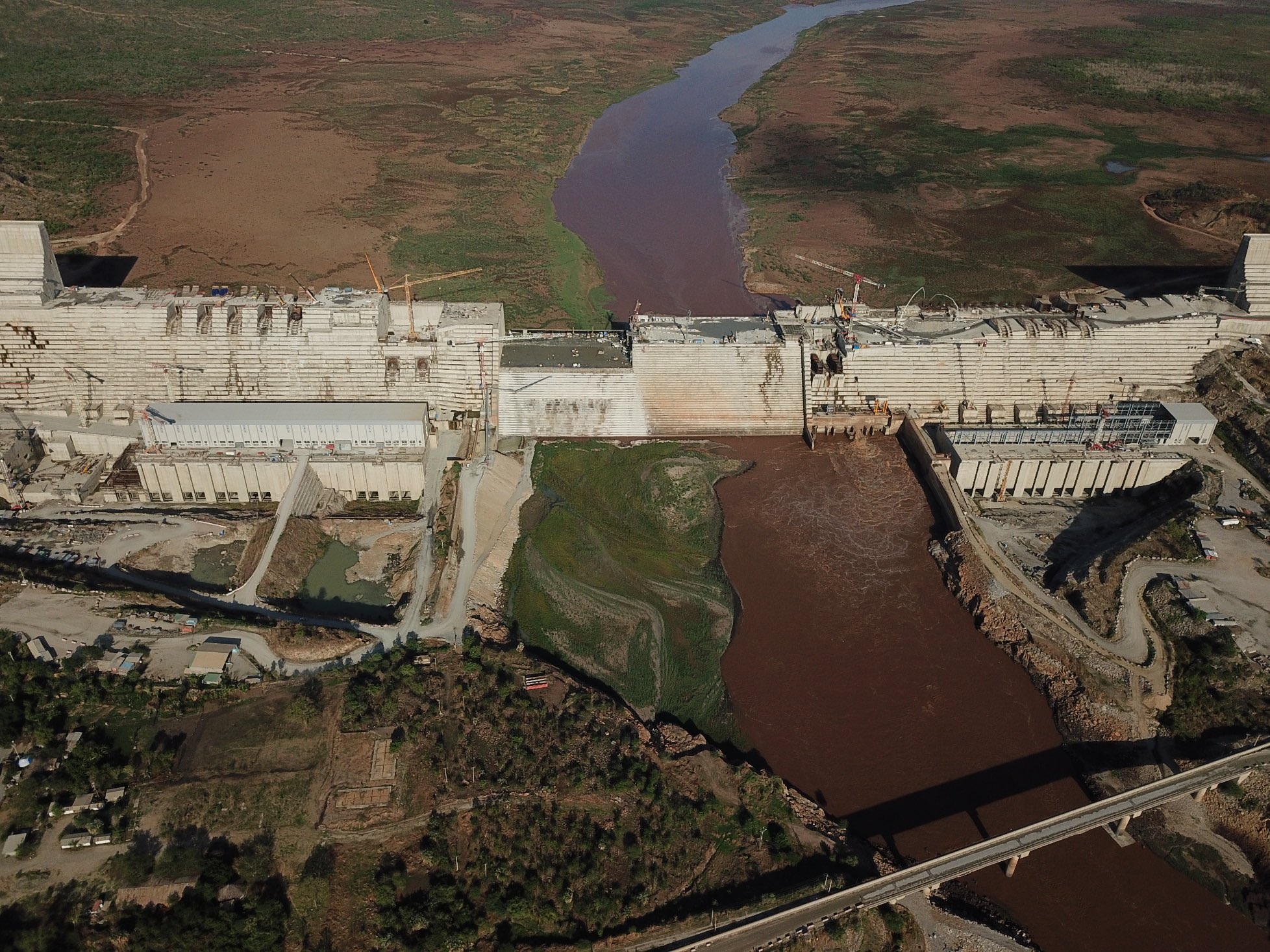
The evolving Ethiopian strategy compels Egypt to recalibrate the instruments through which it manages the Nile file, rather than altering its foundational principles. The dispute has moved well beyond a mere technical disagreement over the Grand Ethiopian Renaissance Dam (GERD); it now represents a concerted effort to parlay physical control over the dam’s floodgates into political leverage over the flows of an international watercourse, setting a precedent for future unilateral projects dictated solely by Addis Ababa.
Against this backdrop, the recent shift in rhetoric by Egypt’s Minister of Water Resources and Irrigation, Dr. Hani Sewilam, carries considerable weight. Egypt is shedding the cautious, overly technical language that characterized years of appeals to negotiations and goodwill, adopting instead a far more forthright framing of the core issue: the dam is not a purely domestic Ethiopian structure, nor does the completion of its construction legitimize a fait accompli or absolve Ethiopia of its binding obligations regarding prior notification, data sharing, and coordination during periods of drought and flooding.
The true value of this recalibrated discourse lies in restoring the issue to its proper context. Egypt does not contest Ethiopia’s right to development, yet it categorically rejects the transformation of that right into unchecked hegemony over a vital resource upon which the survival of downstream nations depends.
Nevertheless, forceful rhetoric alone will fall short unless it is anchored in sustainable, institutionalized policy. First, Egypt must establish a permanent center for intelligence and strategic assessment dedicated to the Nile Basin and the Horn of Africa—one that synthesizes hydrological data and satellite imagery with economic, political, and security analyses. A lack of transparency from Ethiopia should never leave Egypt passively awaiting whatever selective disclosures Addis Ababa chooses to make.
Second, Egypt must channel the documentation of damages into a sustained legal and technical track. In this regard, the newly announced Egyptian-Sudanese committee tasked with assessing the impacts of unilateral operation and pursuing compensation marks a pivotal step forward, provided it is backed by rigorous, evidence-based dossiers for every single incident.
A third track must begin well before ground is broken on any new dams. Egypt should proactively engage international banks, sovereign funds, and engineering firms early on, making it clear that financing infrastructure on an international watercourse without transparent impact assessments and downstream coordination carries severe legal, political, and financial liabilities.
The fourth track centers on cultivating shared regional interests. It is no longer enough for Egypt to merely affirm its respect for the developmental rights of African nations; Egypt must translate that commitment into tangible, on-the-ground projects. Enduring alliances are forged not through diplomatic visits and joint communiqués alone, but through deeply intertwined economic stakes.
Finally, there is the critical imperative of international outreach. While Ethiopia effectively packages its narrative in the compelling idioms of international law, sustainable development, clean energy, and African equity, much of Egypt’s messaging remains largely inward-facing. What is urgently needed is multilingual academic and media output tailored to global universities, financial institutions, the African Union, and the United Nations—content that draws a sharp distinction between collaborative development and development weaponized as an instrument of coercion.
The confrontation required here is neither a call to a war nor a passive surrender to a fait accompli. Rather, it is the cultivation of comprehensive leverage that makes cooperation far more rewarding for Ethiopia than unilateralism, while ensuring the cost of harming Egypt’s interests outweighs any potential gain. If Addis Ababa is translating its rhetoric into an actionable operational framework, Egypt must equally evolve its strategic instruments in defense of its rights. The Nile is not a seasonal dossier to be dusted off whenever a provocative statement is issued; it is an existential imperative that demands permanent, high-level stewardship commensurate with its gravity.