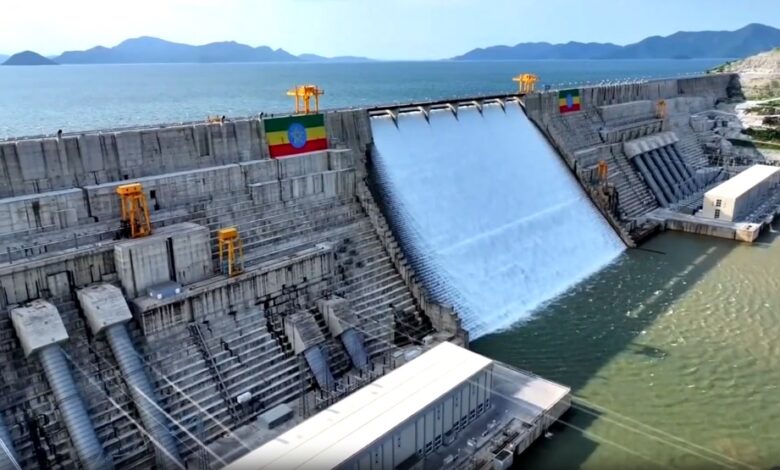
The dispute between Egypt and Ethiopia is no longer a mere quarrel over a completed dam, deadlocked negotiations, or traded diplomatic barbs.
Crucially, Addis Ababa now views the Nile’s waters as a cornerstone of a grander ambition to reshape its regional standing—an agenda that links hydropolitics with demands for Red Sea access to tilt the balance of power across the Horn of Africa.
The recent launch of the “Nile and Red Sea Strategic Forum” in Addis Ababa underscores this shift.
While legally registered as a civil society organization rather than a state body or formal negotiating party, its mandate extends well beyond traditional civic work.
The forum is designed to mobilize scholars, policy experts, and legal specialists to shape public discourse, draft policy, and bolster Ethiopian diplomacy on both the Nile dispute and maritime access—all while forging external partnerships to advance state strategy.
What matters here is not the forum’s immediate size or clout, but the trajectory it signals.
Moving past reactive rhetoric during moments of crisis, Ethiopia is building a permanent apparatus—spanning research, law, and media—to continuously manufacture arguments and lend intellectual and legal legitimacy to its positions both at home and abroad.
Even more telling is the deliberate fusion of the Nile and Red Sea dossiers. Through this framing, water is elevated beyond merely just technical management, and maritime access is elevated beyond a commercial bid to lower shipping costs.
Both are cast as existential matters of national security and inherent historical and geopolitical “rights” designed to rally both the Ethiopian public and international institutions.
Egypt must read this message clearly: Addis Ababa is actively widening the arena of contention. It aims to pivot the debate away from the technical operating rules of the Grand Ethiopian Renaissance Dam (GERD) toward a wholesale renegotiation of the regional order.
The core questions are now far broader: Who holds the authority to manage shared resources? Who dictates the rules of engagement? And what place does Ethiopia claim in the strategic equation of the Horn of Africa and the Red Sea?
Remarks made two days ago by Ethiopian Minister of Water and Energy Habtamu Itefa reinforce this reality.
Declaring that the GERD’s completion proved his country’s resilience against external pressure, he noted that the expertise gained will streamline future water projects.
Though he named no specific initiatives, his message is unmistakable: Addis Ababa views the GERD as an opening chapter, not a final destination.
Even without hard evidence of signed contracts or secured financing for new dams, waiting until excavators break ground before responding would be a grave strategic miscalculation.
As Ethiopia builds the institutional machinery to craft and export its narrative, Egypt can no longer afford a reactive posture, perpetually responding to facts on the ground set by others.
Cairo must urgently evolve its own strategic toolkit—the pressing question now is how.