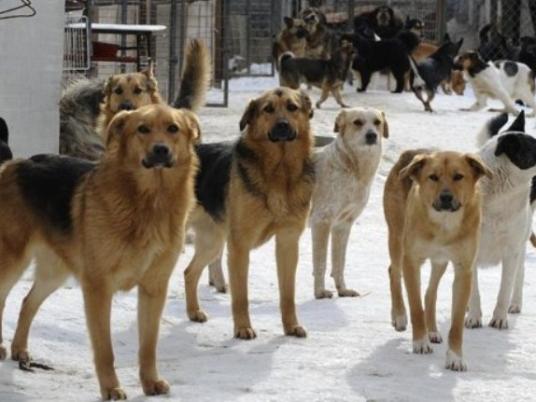
Amid intensifying public discourse regarding stray animal management, local veterinary authorities have highlighted Egypt’s ongoing export of native canine breeds to Switzerland for security and guard training as a viable framework for addressing the country’s stray dog population. The strategy aims to transform a public safety concern into an regulated economic asset while adhering to animal welfare standards.
The issue took center stage during a recent broadcast of the program “Al-Hekaya” on MBC Masr, featuring Shehab Abdel Hamid, President of the Animal Welfare Association, and animal rights activist Menna Qotb. The discussion evaluated the societal impacts of current stray animal management practices and explored sustainable regulatory mechanisms.
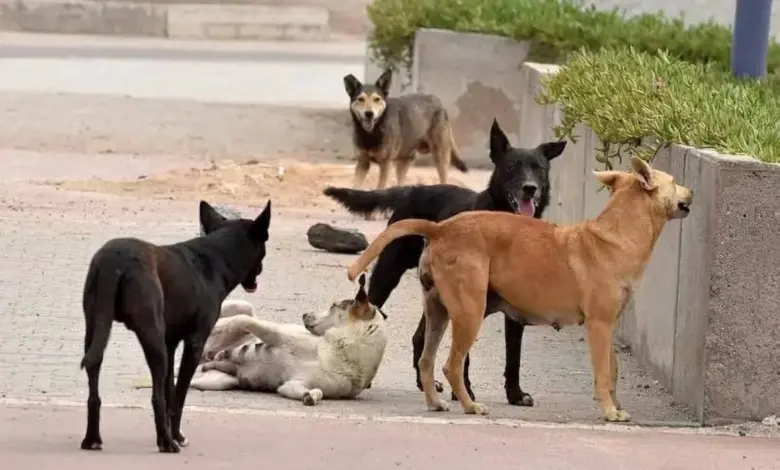
Abdel Hamid emphasized that the indiscriminate, unregulated feeding of stray dogs in public streets must be halted. He noted that such practices lead to hazardous canine aggregations in residential sectors, posing direct threats to public safety.
Furthermore, he called for heightened financial accountability and oversight regarding entities profiting from the stray dog crisis, whether through unauthorized animal trade or the commercial distribution of related veterinary pharmaceuticals and vaccines.
The economics of canine management
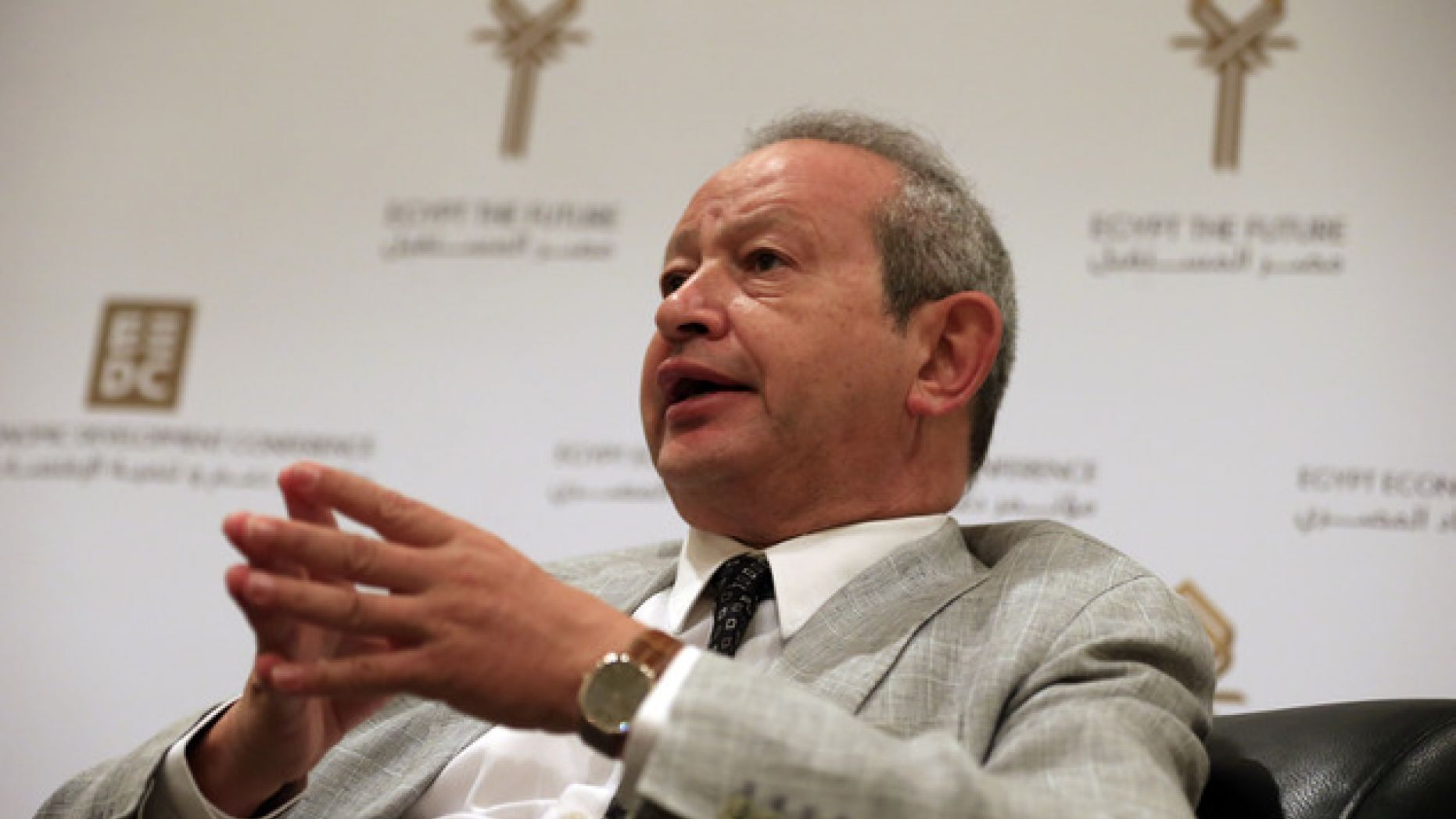
Addressing economic opportunities, Abdel Hamid referenced a proposal previously introduced by prominent businessman Naguib Sawiris concerning the systematic export of dogs for domestic breeding and specialized training, rather than consumption.
He clarified that international demand exists for the Egyptian Baladi dog, a breed highly regarded for its exceptional loyalty, high adaptability, and strong capacity for security and guard training.
To illustrate this, Abdel Hamid confirmed that countries such as Switzerland already actively import these dogs from Egypt specifically to deploy them in security and protection roles. He underscored that canine exportation is an ongoing, established activity that operates under strictly regulated legal frameworks.
Alternative sustainable solutions
Beyond exportation, the debate highlighted additional proposals to manage the stray population sustainably. These include:
Specialized shelters and colonies: Establishing dedicated sanctuaries to safely isolate and manage stray packs.
Biogas production: Utilizing organic waste from these centers to generate agricultural fertilizers and biogas, thereby creating a self-sustaining economic cycle.
The panel concluded that blending international export frameworks with localized green energy initiatives offers a comprehensive, civilized, and economically viable blueprint to resolve the stray canine dilemma.