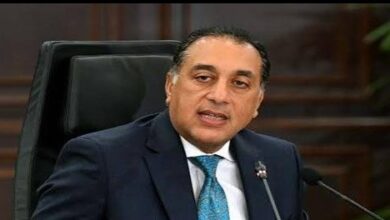
Minister of Foreign Affairs, International Cooperation and Egyptian Expatriates Badr Abdelatty participated in a ministerial meeting of the Tripartite Mechanism of Libya’s Neighboring Countries, held in Algeria on Sunday, October 25, 2026.
Algerian Minister of State and Minister of Foreign Affairs, National Community Abroad and African Affairs Ahmed Attaf and Tunisian Minister of Foreign Affairs, Migration and Tunisians Abroad Mohamed Ali Nafti also took part in the meeting.
The meeting was held as part of the ongoing work of the tripartite mechanism and aimed to strengthen consultations among the three countries on developments in Libya.
Foreign Ministry Spokesman Nader Zaki said on Monday, October 26, 2026, that the meeting focused on coordinating the positions of Libya’s immediate neighbors regarding developments in the country.
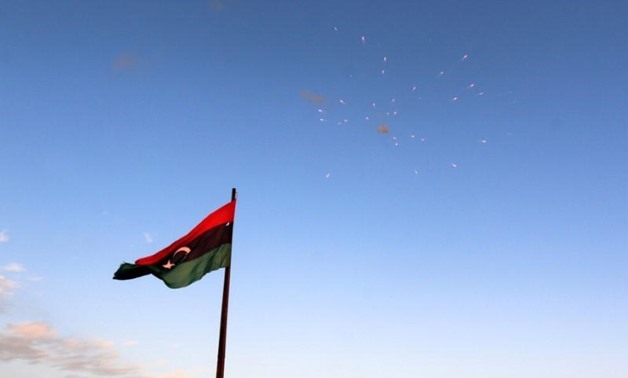
During the meeting, Abdelatty reaffirmed the fundamental principles underpinning Egypt’s position, particularly the need to preserve Libya’s territorial integrity and sovereignty.
He stressed that Libya’s security is an integral part of Egyptian and Arab national security.
In this regard, Abdelatty categorically rejected any external dictates, emphasizing that a Libyan-led and Libyan-owned solution is the only foundation for ensuring lasting stability and achieving a comprehensive settlement.
He underscored the importance of reaching a Libyan-owned political settlement that would preserve the country’s unity, ensure the unification of its institutions, and create favorable conditions for holding simultaneous presidential and parliamentary elections as soon as possible.
He also stressed the need for the immediate withdrawal of all foreign forces, mercenaries and foreign fighters from Libyan territory, in accordance with relevant international resolutions.
The three Foreign Ministers emphasized the importance of adopting a comprehensive approach that addresses not only the security and political dimensions of the crisis but also its economic and social aspects, with a view to tackling its root causes.
The meeting’s final communiqué stated that the gathering was held within the framework of the tripartite mechanism to follow up on developments in the Libyan crisis and explore prospects for resolving it.
In the communiqué, the Foreign Ministers reaffirmed the historical responsibility and central role of the neighboring countries’ mechanism, under United Nations auspices, in supporting Libya’s political process and backing all serious efforts aimed at ending the crisis.
They stressed the importance of recognizing the mechanism’s pivotal role, noting that its member states are more directly concerned than others with developments in their neighboring and brotherly country, have a deeper understanding of the crisis’s complexities and repercussions, and are particularly committed to accelerating efforts to achieve a comprehensive and lasting settlement.
The Foreign Ministers also expressed their full support for United Nations (UN) efforts and international initiatives aimed at facilitating the political process and organizing simultaneous, free and fair presidential and parliamentary elections under an agreed constitutional and legal framework.
They said the elections should bring an end to the successive transitional phases that have become entrenched and contributed to the deepening of the crisis. They added that the elections should lead to the establishment of legitimate, unified, strong and stable constitutional institutions capable of ending the current institutional division.
The Foreign Ministers stressed the need to coordinate and integrate regional and international efforts in support of an inclusive Libyan political process facilitated by the United Nations Support Mission in Libya (UNSMIL).
They further emphasized that the political process must be Libyan-led and Libyan-owned, and that a political solution must reflect the will of the Libyan people and their national consensus while guaranteeing the unity, sovereignty and territorial integrity of the Libyan state.
They stressed the need for mercenaries, foreign fighters and foreign forces to withdraw from all Libyan territory to preserve the gains achieved under the ceasefire agreement and accelerate the unification of all Libyan institutions, including military and security institutions.
The Foreign Ministers underscored the importance of safeguarding Libya’s resources and using them to serve the interests of its people and promote development and prosperity.
They also highlighted the need to protect Libya’s financial assets frozen abroad, preserve their value, and ensure their proper management by the international financial institutions holding them, in accordance with relevant UN Security Council resolutions.
The Foreign Ministers agreed that the next meeting of the tripartite mechanism would be held in Tunisia on a date to be agreed upon later.