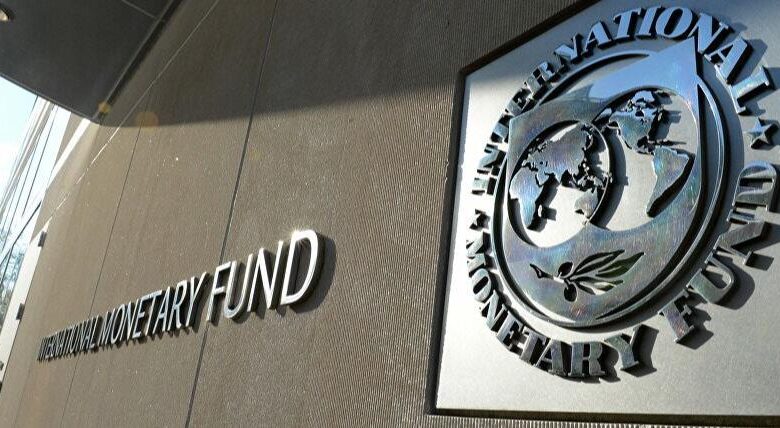
Managing Director of the International Monetary Fund (IMF) Kristalina Georgieva Monday lauded Egypt’s advancements in expanding digitalization within its tax sector.
Addressing at the 10th Annual Arab Fiscal Forum in Dubai, the UAE, Georgieva addressed a high-level assembly including finance ministers from Jordan, Libya, Lebanon, Somalia, and Syria, alongside central bank governors from Bahrain, Egypt, Libya, Mauritania, Palestine, Tunisia, the United Arab Emirates, and Yemen.
Egyptian Finance Minister Ahmed Kouchouk has said that e-tax systems have streamlined processes for taxpayers and broadened the tax base. He emphasized that automated systems have bolstered the government’s ability to foster a relationship of trust, partnership, and certainty within the tax community.
The IMF director praised similar digital initiatives in Jordan and Morocco. She also commended the Gulf Cooperation Council (GCC) countries for their implementation of Value Added Tax (VAT) and the adoption of the global minimum corporate income tax.
“The world economy is projected to grow 3.3 percent this year and 3.2 percent next year, supported by the agility of the private sector, accommodative financial conditions, and sustained reforms, especially in emerging markets. Inflation is expected to fall to 3.8 percent this year and 3.4 percent by 2027, helped by softer demand and lower energy prices,” Georgieva said in her speech that was published by the website of the IMF.
“The Arab region has shown resilience. Growth is expected to rise to 3.7 percent this year. Oil exporters are benefiting from increased production, while oil importers are benefiting from lower prices, robust remittances, and rebounding tourism.
“Financial conditions have improved, and several countries have regained market access. A number of countries have made impressive strides toward diversifying their economies and investing in infrastructure to embrace the promise of AI. Several economies emerging from conflict are embarking on the difficult road to recovery.”