The Jerusalem Post revealed that Israel’s Mossad was taken aback by the speed with which Iran rebuilt its military capabilities just months after the war.
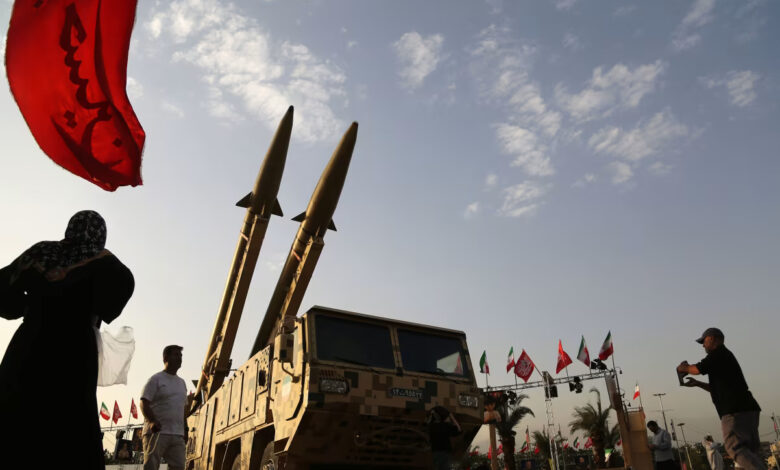
According to the newspaper, what shocked Israel the most was Iran’s rapid rebuilding of ballistic missile capabilities, along with other parts of the Iranian military industries.
The Israeli army believed after the war that the extensive strikes targeting Iranian military infrastructure and defense industries would weaken Tehran’s capabilities for years.
However, new assessments indicate that Iran managed to rebuild some of these capabilities at a much faster pace than Israel anticipated.
Rapid reconstruction
In October 2024, the Israeli military announced it had targeted 20 sites it deemed vital to Iran’s ballistic missile and military industries, claiming these strikes had delayed Iranian missile production by a year or more.
However, the newspaper reported that by the beginning of 2025, it had become clear that Iran had managed to increase the pace of its ballistic missile production again, prompting Israeli military officials to move up the date of the next potential attack to June of the same year.
The report stated that during the nearly 40-day war, Israel and the US claimed they had achieved their objective of weakening Iran’s military capabilities through thousands of strikes targeting more than 2,600 sites associated with Iranian missiles and military industries.
The damage to Iranian military infrastructure was estimated at approximately US$300 billion.
The newspaper pondered how Iran, despite this scale of destruction, was able to produce large quantities of missiles again and rebuild some of its military capabilities so quickly.
The report continued: “If a new conflict breaks out between the two sides, Israel will face a completely different equation than its previous calculations – one that could make the next war more complex and destructive.”