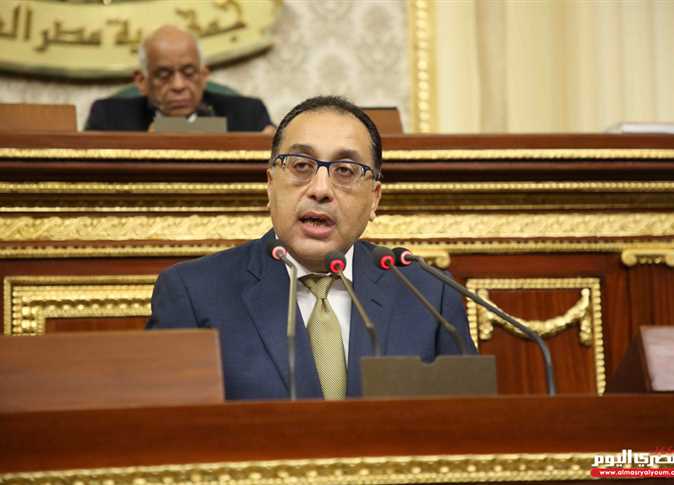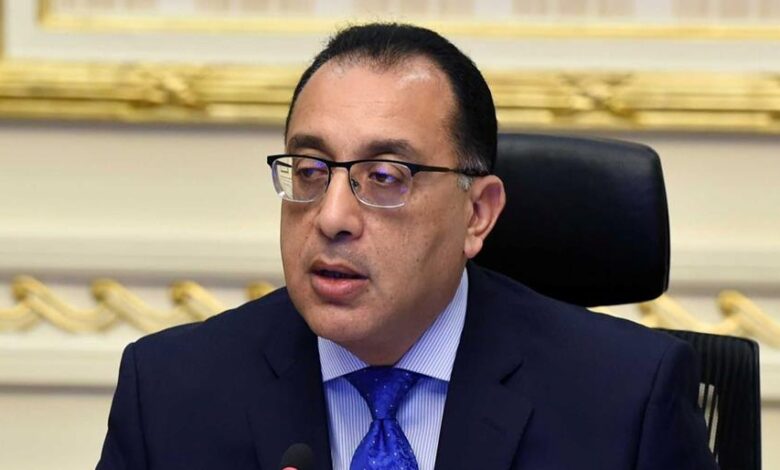
Prime Minister Mostafa Madbouly described settlement of building violations and the regularization of state land as a pivotal step toward establishing effective urban discipline, safeguarding state rights and alleviating burdens on citizens, while ensuring optimal utilization of state resources.
This came during a meeting on Monday, December 8, 2025, to review the executive progress of digitizing and governing settlement and land regularization procedures.
The meeting was attended by Local Development Minister and Acting Environment Minister Manal Awad, Minister of Housing, Utilities and Urban Communities Sherif al-Sherbini, Head of the Strategic Management Sector at the Local Development Ministry Saeed Helmy, and Housing Ministry Adviser Nafisa Hashem.
Madbouly said the reception of millions of applications and the high percentage of finalized cases reflect the success of the state in establishing a new governance system for handling settlement and regularization files.
He noted that the government would continue supporting governorates and technical committees to expedite the review of remaining applications, while ensuring socially conscious solutions.
For her part, Awad presented performance indicators for the land regularization cycle from July 3, 2023, to December 7, 2024, noting that the total number of applications reached about 237,638.
She reviewed the geographic distribution of applications across the governorates and highlighted the ministry’s ongoing efforts, including the removal of nearly 30,000 cases of encroachment on agricultural land.
On settlement in cases of building violations, the minister said governorates have intensified communication with citizens through direct visits, SMS messages, letters, billboards and public announcements to raise awareness on completing settlement procedures.
She outlined newly introduced services at technological centers, such as inquiries from land-owning authorities and issuance of building coordinate certificates, along with inspection committees tasked with resolving citizen issues on-site.
Awad added that the system is being continuously updated to address implementation challenges, and timeframes for processing files have been clearly defined.
A dedicated round-the-clock committee was formed to respond to governorates’ inquiries, while coordination continues with relevant ministries to approve dispersed areas across all governorates.
The minister noted that the response time to applications has been reduced from 45 to 30 days, and approval authority has been delegated from governors to city and district heads to accelerate procedures.
She pointed out that more than two million settlement applications have been received, and committees have ruled on over 1.97 million cases, achieving a completion rate of around 95 percent.
Sherbini reviewed the status of the Settlement Law on Certain Building Violations and Regularization of Conditions (Law No. 187/2023).
He emphasized that the law aims to promote a modern, orderly urban environment, particularly in new cities, by accommodating and regularizing the largest possible number of building violations.
Sherbini added that the law offers several benefits to citizens, such as legally connecting utilities and increasing property market value.
He outlined the status of applications within the New Urban Communities Authority as of November 23, noting that total requests exceeded 35,000, while more than 10,000 approval or rejection decisions have been issued so far.