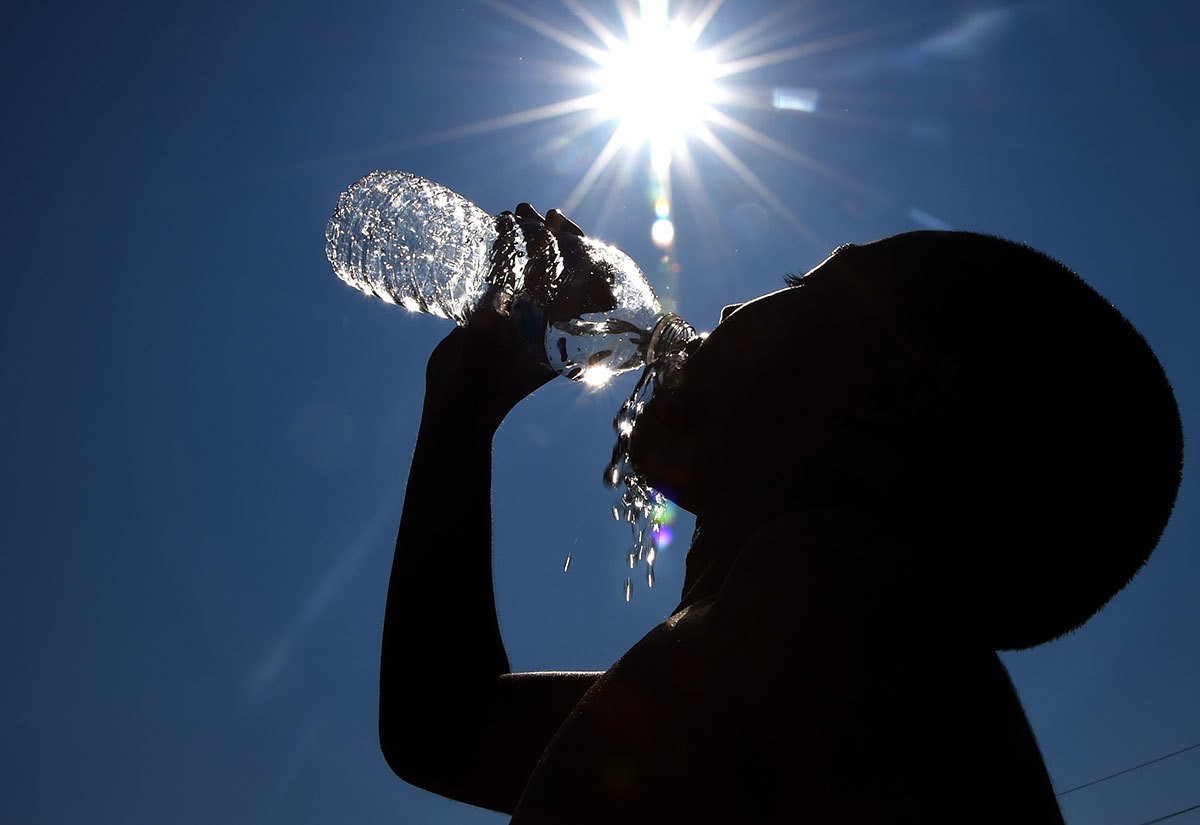
The Head of the Climate Information Center at the Ministry of Agriculture Mohamed Ali Fahim warned of a severe heat wave in Egypt, which began gradually on Thursday and will peak by Sunday.
Fahim explained on his official Facebook page on Thursday that the heat wave will impact most parts of the country. It will be accompanied by hot, sandy, and dusty southern winds, particularly in the eastern regions and Upper Egypt.
Temperatures will continue to rise over the next few days, he said, with coastal areas recording between 29C and 37C and reaching 40C in the southern regions.
Heightened wind activity
Fahim added that there will be a significant increase in wind activity during the afternoon, being most pronounced in the governorates of Beni Suef, Minya, Assiut, and Sohag, as well as in the Gulf of Suez.
He indicated that Sunday and Monday will represent the peak of the heat wave, with the country being affected by hot, dry winds increasing the possibility of dust storms.
The rest of the week will remain very hot with continued wind activity, he added.
He confirmed that these nights are among the last in northern regions where minimum temperatures drop below 15C, signifying the end of the cold nighttime weather and the beginning of a new climatic phase that will directly impacts plant behavior and crops.
Fahim added that the rise in nighttime temperatures leads to an increase in “dark respiration,” a process during which plants consume a larger portion of their stored energy and nutrients during the night.
This results in increased heat stress, higher water and nutrient requirements for plants and a rise in several summer pests and diseases, he said.
Advice for farmers
Fahim stressed the need to follow several preventative measures in the coming days, most notably irrigating in the morning, and avoiding spraying at midday.
He also advised halting the use of systemic pesticides and growth regulators during peak heat.
Fahim emphasized the importance of supporting plants with calcium, potassium, and magnesium.
He further urged farmers to expedite the harvesting of wheat and aromatic crops, take the necessary precautions to protect mango and olive trees from sunburn, monitor heat-related pests such as spider mites and thrips, ensure proper ventilation in greenhouses, and pay close attention to drinking water and cooling for poultry and livestock.
The coming days will require the careful management of irrigation, fertilization, and preventative measures to avoid losses due to heat stress and sudden weather fluctuations, he added.
Edited translation from Al-Masry Al-Youm