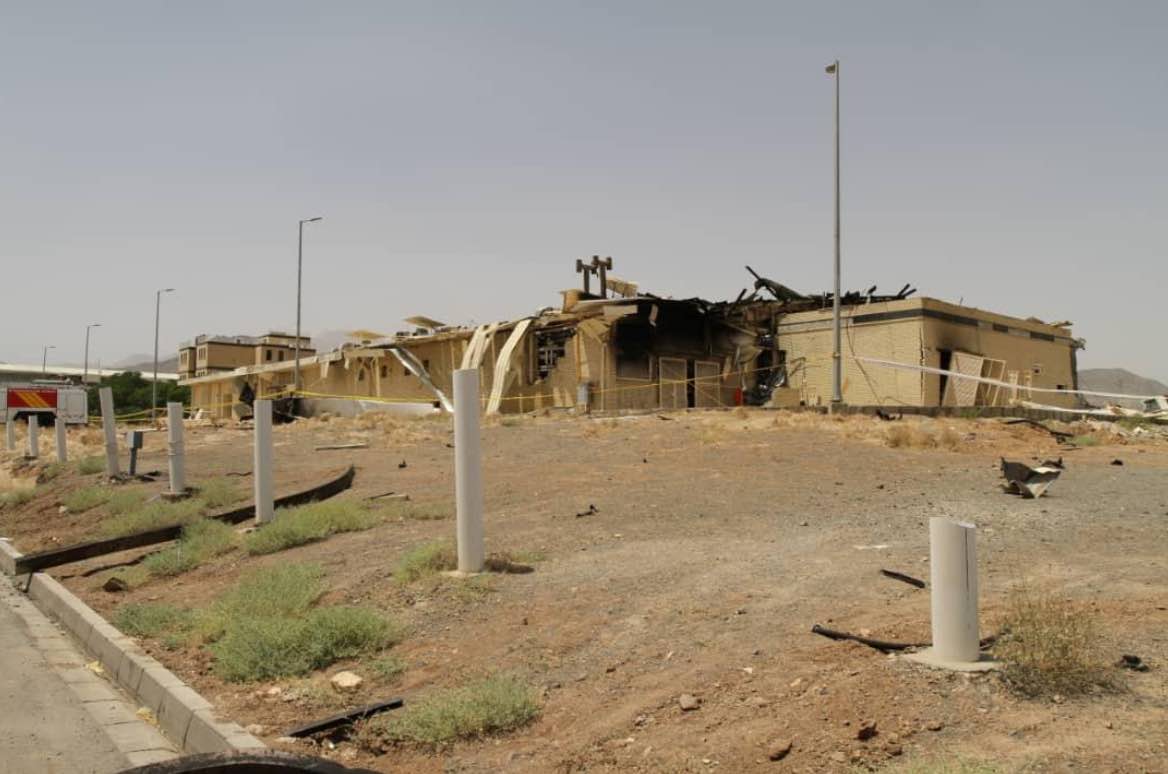
Tensions in the Middle East reached a critical flashpoint Saturday morning following a high-stakes aerial assault on Iran’s Natanz nuclear complex.
Iranian authorities have officially attributed the strike to a joint “US-Israeli” operation, marking a significant escalation in the ongoing conflict.
Radiation assessments
Following the strike, Iran’s Nuclear Safety Center conducted an immediate technical evaluation to determine the risk of radioactive leakage. In a public statement via the Tasnim news agency, the center reassured the public:
“Technical assessments confirm that no radioactive leakage has been detected within the complex. There is no immediate radiological threat to the residents of the surrounding areas.”
The International Atomic Energy Agency (IAEA) confirmed it was notified by Tehran regarding the attack. In a statement on X (formerly Twitter), the IAEA noted that its independent monitoring has not yet shown any increase in radiation levels outside the site. IAEA Director General Rafael Grossi issued an urgent plea for “maximum restraint,” warning that any further targeting of nuclear infrastructure could lead to a catastrophic accident.
The “bunker buster” report
The nature of the attack has sparked conflicting reports from international intelligence sources:
-
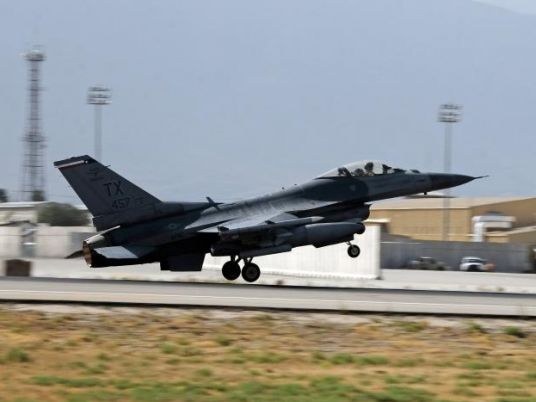
US involvement: The Israeli Broadcasting Authority (KAN), citing specialized sources, reported that the strike was “executed by the US Military” using advanced bunker-buster munitions designed to penetrate underground fortifications.
-
Israeli denial: Conversely, the Israeli Defense Forces (IDF) told Reuters they were unaware of any specific strike targeting Natanz on Saturday.
-
Precedent: This follows a massive June 2025 operation where the US reportedly deployed over 10 bunker-buster bombs against the Fordow and Natanz facilities during the “12-Day War.”
The Strategic weight of Natanz
Located 250 kilometers south of Tehran in the heart of the Iranian plateau, Natanz is the crown jewel of Iran’s nuclear program.
Historical context: While construction began in the late 1990s, the facility remained a state secret until it was revealed to the international community in 2002.
Current status: As the primary site for uranium enrichment, Natanz is considered the “heart” of Tehran’s nuclear capabilities. Satellite imagery from earlier this month (March 3) already indicated significant damage to the facility’s underground entrances following previous skirmishes, despite earlier diplomatic downplaying of the destruction.
International reaction
Russia’s Ministry of Foreign Affairs issued a sharp condemnation of the strike, labeling the targeting of a nuclear facility a “flagrant violation of international law.” The Kremlin warned that such actions undermine global security frameworks and risk an uncontrollable regional firestorm.