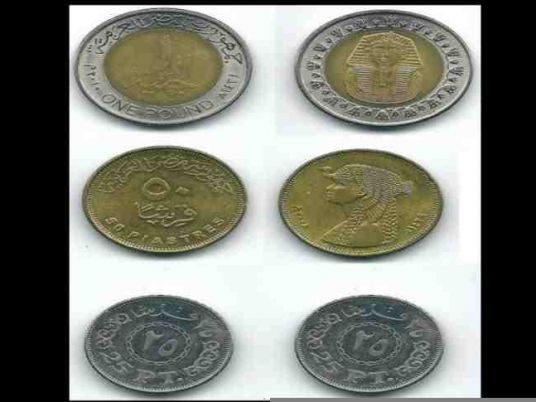
The Egyptian government announced its readiness to introduce a new two LE coin into circulation, aiming to facilitate cash transactions and provide practical alternatives for citizens suffering from a severe shortage of small change, RT reported on Monday.
The announcement came during a meeting of the Senate’s Economic Committee, where the committee extensively discussed a proposal submitted by MP Bassem Kamel regarding the issue of small change from the market and its negative impact on citizens’ daily transactions.
During the session, Kamel noted that the difference between the nominal value of the currency and the value of imported raw materials, particularly copper and other metals, has led to illegal practices such as collecting and melting down coins in unlicensed foundries.
He described these practices as an infringement on the state’s monetary sovereignty, according to the Central Bank of Egypt‘s Law #194 of 2020.
The MP stressed that introducing the new denominations and modifying the technical specifications of the currency, along with expanding digital payments, are necessary steps to protect the national economy and alleviate the daily burdens on millions of Egyptians.
A swift move
In a swift response, government representatives from the Ministry of Finance, the CBE, and the Mint Authority revealed ongoing measures to address the crisis, including the introduction of the new coin type.
This new coin will serve as a practical alternative, helping to reduce reliance on large quantities of smaller denominations.
The measures also include modifying the metallic composition of the pound coin by using a new, less expensive alloy. This will ensure that the coin’s face value remains higher than the value of the raw material, thus preventing smelting and illegal trading.
Egypt’s markets have suffered from a significant shortage of small denomination coins, particularly the one-pound and half-pound coins, causing daily difficulties in simple transactions such as purchasing food, using transportation, and accessing small services.
A large part of this shortage is attributed to the practice of collecting and melting down coins to exploit the price difference between their face value and the value of imported raw metals.