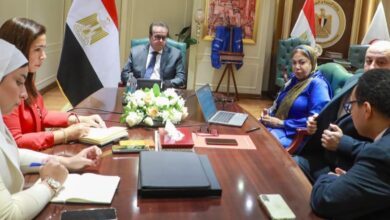
Minister of Health Dr. Khaled Abdel Ghaffar confirmed that the ministry is actively monitoring local and international health conditions through event-based epidemiological surveillance systems targeting foodborne illnesses, particularly Salmonella.
Following reported outbreaks in several countries tied to international supply chains, the ministry is conducting continuous risk assessments and rapid evaluations to prepare precautionary measures if needed.
Local status vs. international outbreaks
Dr. Abdel Ghaffar emphasized that monitoring global health events does not indicate a current risk within Egypt, but rather serves as a proactive early warning measure. Decision-making relies strictly on domestic data, surveillance metrics, and verified global reports rather than external cases alone.
No unusual outbreaks detected nationally
Dr. Amr Kandil, Deputy Minister of Health, noted that the Preventive Medicine and Public Health sector tracks daily changes in infection patterns and assesses reports based on established scientific standards. He confirmed that no unusual Salmonella outbreaks connected to recent international events have been recorded in Egypt.
Global case tracking: Belgium and the United Kingdom
Ministry Spokesperson Dr. Hossam Abdel Ghaffar detailed specific international incidents currently under review:
-
Belgium: Over 306 cases of Salmonella Enteritidis (updated August 25) with zero deaths, resulting in product recalls across Belgium and Luxembourg.
-
United Kingdom: The UK Health Security Agency (UKHSA) reported 207 confirmed cases of Salmonella Enteritidis and one death as of August 18.
Response protocols and public safety guidelines
Dr. Radhy Hammad, Head of the Preventive Medicine and Public Health Sector, stated that countering foodborne pathogens relies on swift case identification, epidemiological investigation, supply tracing, and containment.
The Ministry of Health advises the public to adhere to essential food safety practices:
-
Wash hands thoroughly with soap and water before handling food and after using the restroom.
-
Separate raw and cooked foods using designated utensils and surfaces.
-
Cook food thoroughly to safe internal temperatures.
-
Store perishable foods at proper refrigerated temperatures.
-
Purchase food items exclusively from trusted sources and follow official recall advisories.
The ministry reaffirmed that its epidemiological surveillance infrastructure remains proactive and operational to safeguard public health.